
The Rise of Anti-Muslim Rhetoric in Texas: Political Debate over Sharia and the Role of the Community in the State
The Rise of Anti-Muslim Rhetoric in Texas: Political Debate over Sharia and the Role of the Community in the State
The political landscape in the American state of Texas is witnessing an escalation in the debate concerning Muslims and Islamic Sharia, amidst criticism from members of the Muslim community against the Republican Party. They claim that the party has shifted from attempting to attract their votes in previous elections to adopting rhetoric and policies perceived as targeting their religious and community existence.
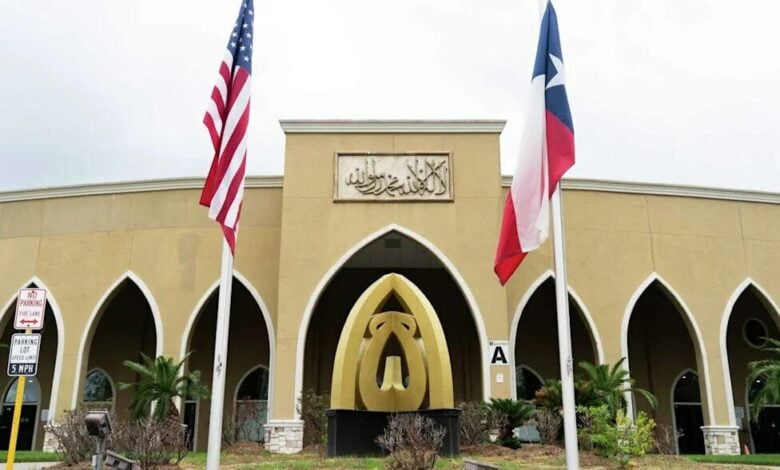
This shift is notably evident in Fort Bend County, located in the Houston area, which hosts one of the most prominent Muslim communities in the state. Muslim activists state that relationships, which previously involved attempts by Republican politicians to garner the community’s votes, have changed with the rise of campaigns demanding the restriction of Sharia and increased scrutiny over some Islamic institutions and projects.
Recently, the controversy has extended to include mosques, restaurants offering halal food, and social projects linked to the Muslim community, as well as objections to some facilities designated for prayer.
In this context, Texas Governor Greg Abbott has called for a ban on the application of Islamic Sharia in the state, with several Republican lawmakers joining similar political movements and stances, making the issue part of an intensifying political debate regarding Muslims in Texas.
Members of the Muslim community perceive that the political focus on Sharia contributes to creating a negative image of Muslims, portraying them as a group isolated from American society or seeking to establish a parallel legal system. They affirm that such an atmosphere has heightened their sense of being targeted and excluded.
Additionally, Muslims in the state report that the rise in anti-Islam political rhetoric has been accompanied by increased threats and incidents hostile to Muslims, raising concerns about the political discourse shifting from electoral campaigns to social practices affecting the security and daily lives of community members.
Conversely, analysts argue that turning the issue of Sharia into an electoral topic could be used to rally voters and evoke fears related to identity and religion, despite the lack of evidence that Sharia is being introduced as an alternative to the existing laws in the state.
The Muslim community makes up about 2% of Texas’s population and has become more prominent in economic, social, and political life in recent years, especially in major urban areas.
The current debate brings to the forefront the issue of the relationship between electoral discourse and the rights of religious minorities in the United States, amidst demands from the Muslim community to ensure freedom of belief, equality, and to avoid politicizing their religious identity.