
San Diego Islamic Center Shooting Fuels Debate Over Rising Anti‑Muslim Hate in the U.S.
San Diego Islamic Center Shooting Fuels Debate Over Rising Anti‑Muslim Hate in the U.S.
——————————-
A deadly shooting at the Islamic Center of San Diego has reignited national discussion about anti‑Muslim hate speech and its possible role in violent attacks against Muslim communities in the United States.
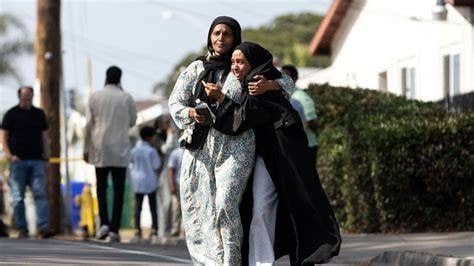
A deadly attack on the Islamic Center in the Clairemont Mesa neighborhood of San Diego, which killed three men, has intensified scrutiny of growing anti-Muslim rhetoric in the United States. The incident has sparked debate over the role of political and media discourse in creating an environment that critics say may contribute to violence against Muslim communities.
The victims—51‑year‑old security guard Amin Abdullah, 78‑year‑old mosque elder Mansour Kaziha and 57‑year‑old community member Nadir Awad—are being widely remembered for their efforts to protect others during the attack. Abdullah’s actions in warning those inside, including approximately 140 children at the mosque’s adjacent school, are credited with preventing further casualties.
Investigators have reported finding writings and a manifesto linked to the suspects that expressed broad hatred toward multiple groups and were influenced by online extremist material, including admiration for previous mass shootings. The Federal Bureau of Investigation and local law enforcement said the attack likely stemmed from radicalisation online and are treating the incident as a hate‑motivated investigation.
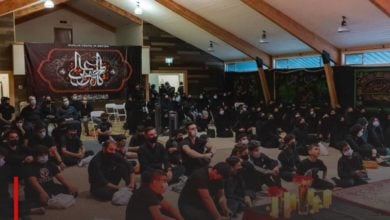
More than 2,000 people attended funeral prayers in San Diego this week, mourning the three men and condemning the violence. Religious and community leaders have emphasised unity and resilience in response to the tragedy.
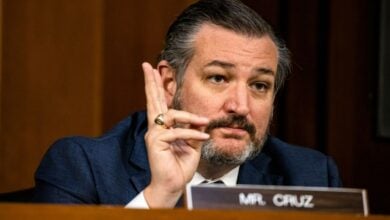
The shooting has also intensified criticism of hostile rhetoric toward Muslims in U.S. political discourse. Some lawmakers and extremism experts argue that inflammatory comments by public figures and social media can contribute to an environment that legitimises bias and violence against Muslim communities.
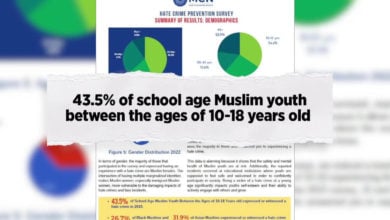
This incident follows broader concerns about rising Islamophobic incidents in the U.S. in recent years and highlights ongoing debates about how speech, online radicalisation and extremist ideologies intersect with real‑world violence.