
UN Warns of Global Famine Risk if Blockage of Strait of Hormuz Persists
UN Warns of Global Famine Risk if Blockage of Strait of Hormuz Persists
——————————
The United Nations has issued a stark warning that prolonged disruptions to navigation through the Strait of Hormuz could trigger a severe global food crisis and famine if not resolved in the coming weeks.
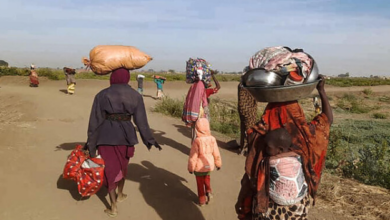
A senior UN task force official said that tens of millions of additional people could face hunger and starvation if essential cargoes — particularly fertilizers and agricultural supplies that transit the strait — remain blocked. The official noted that the world has a limited window of just a few weeks to prevent what could become a major humanitarian catastrophe.
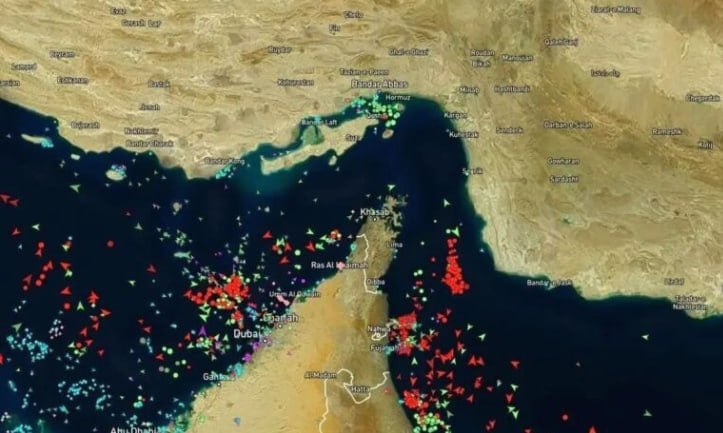
The Strait of Hormuz, a narrow waterway linking the Persian Gulf to the Gulf of Oman, is one of the world’s most important shipping corridors, historically carrying a significant share of global oil, liquefied natural gas and fertilizer exports. Its effective closure — amid ongoing conflict and geopolitical tensions in the region — has already disrupted global trade flows and pushed up costs for energy and agricultural inputs.
United Nations agencies, including the World Food Programme and the Food and Agriculture Organization, have highlighted that fertilizer shortages driven by the strait’s blockage are contributing to rising food insecurity, particularly in vulnerable regions across Africa and Asia. The FAO’s chief economist has warned that these disruptions are affecting global commodity markets and could lead to sharp increases in food prices if left unresolved.
The UN has called on all parties involved to take immediate steps to ensure the safe and unimpeded transit of critical goods through the waterway, emphasizing that a failure to act swiftly could deepen hunger risks and undermine global food security.