
US Army Journal Analysis Highlights Shiite Role in Middle East Future, Calls for Recognition of Sectarian Diversity
US Army Journal Analysis Highlights Shiite Role in Middle East Future, Calls for Recognition of Sectarian Diversity
———————————————————-
A recent analysis published by a U.S. Army professional journal examined the historical, religious and political factors shaping Shiite influence in the Middle East, arguing that long-term regional stability requires dialogue, coexistence and recognition of the role of both Shiite and Sunni communities in shaping the region’s future.
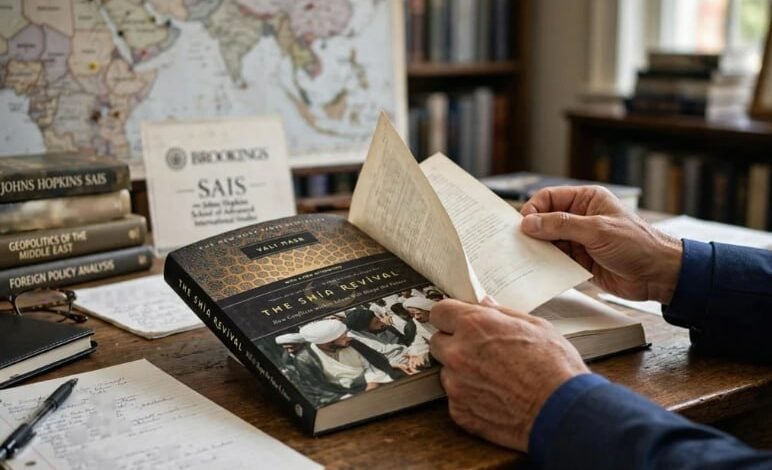
The article, written by retired U.S. Army Colonel Richard Everett, reviewed themes from the book The Shia Revival by Iranian-American scholar Syed Vali Nasr, focusing on the historical development of Shiite identity and its growing political significance in contemporary Middle Eastern affairs.
According to the analysis, the region’s future cannot be determined solely through externally designed political models, but will depend on interactions among local societies and the ability of different religious and political communities to coexist.
The article examined the historical and spiritual foundations of Shiite identity, including the significance of the events of Karbala and the martyrdom of Imam Hussein (peace be upon him) as a central element in Shiite religious memory and cultural expression.
Everett’s analysis also discussed developments in countries such as Iran and Iraq, highlighting the role of religious networks, social organization and political movements in increasing Shiite influence in regional affairs.
The article emphasized that Shiite communities represent a significant component of the broader Islamic world and argued that sustainable regional stability requires addressing sectarian divisions through engagement and recognition of diverse religious identities.
The analysis was based in part on the work of Syed Vali Nasr, a professor of international affairs at Johns Hopkins University and an expert on Islamic studies, politics and Middle Eastern affairs. Nasr has also served as a senior adviser and commentator on issues related to the Muslim world.
The report noted that regional dynamics have changed significantly in recent decades, with religious identity and local social structures playing an increasingly important role alongside traditional political and economic factors.
It concluded that future approaches toward the Middle East would need to consider the influence of major religious and social groups within the region and that efforts to achieve security and development would require cooperation among different communities rather than policies based solely on external models.