

Fraudulent Messages, Blockades Add to Strain on Shipping in the Strait of Hormuz
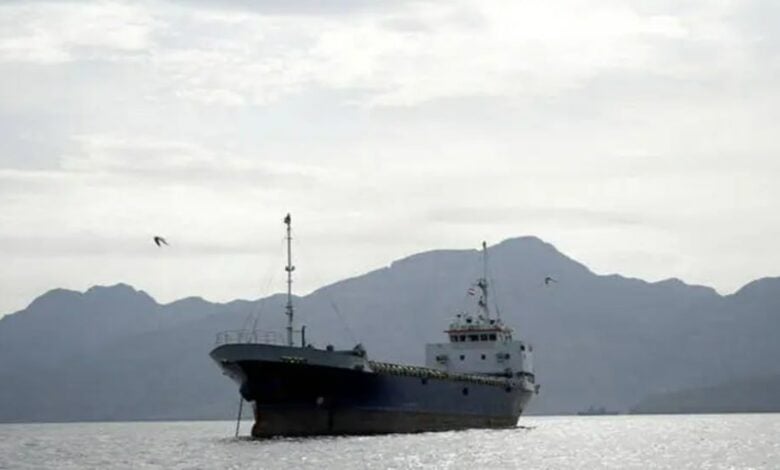
Fraudulent Messages, Blockades Add to Strain on Shipping in the Strait of Hormuz
———————————
Amid the ongoing tensions in the Middle East, shipping companies and seafarers in the Persian Gulf face increasing difficulties, including a surge in fraudulent activities and continuing blockades.
More details in the following report:
Greek maritime risk management firm MARISKS has warned of scam messages being sent to vessels stranded west of the Strait of Hormuz. These messages, purporting to represent Iranian authorities, demand transit fees in cryptocurrency—Bitcoin or Tether—in exchange for “clearance” to safely pass through the waterway.
The firm emphasized that these messages are a scam, and were not issued by Iranian officials. The fraudulent claims have added to the already volatile situation in the region, where hundreds of vessels and about 20,000 seafarers remain stranded. The situation has worsened due to the ongoing conflict, with the US maintaining its blockade on Iranian ports, and Iran intermittently lifting and re-imposing its blockade on the Strait of Hormuz. This vital chokepoint is responsible for a significant portion of global oil and natural gas traffic, but has been rendered perilous due to the ongoing war and rising security threats.
The International Maritime Organization (IMO) is working on an evacuation plan for the approximately 800 ships stuck in the Persian Gulf since the US and Israeli strikes on Iran began more than seven weeks ago. According to IMO Secretary General Arsenio Dominguez, the evacuation plan can only proceed once there is clear de-escalation in the region. The IMO is also assessing the potential threat of mines in the strait before allowing any vessels to transit.
Meanwhile, Tehran has proposed tolls for safe passage through the Strait of Hormuz, further complicating an already tense situation. Despite the ceasefire in place, the US’s blockade, Iranian threats, and occasional attacks on vessels have made many shipowners hesitant to risk the passage.