
Afghanistan Enters Its Sixth Year Under Taliban Rule Amid Continued Restrictions and Economic and Human Rights Crises
Afghanistan Enters Its Sixth Year Under Taliban Rule Amid Continued Restrictions and Economic and Human Rights Crises
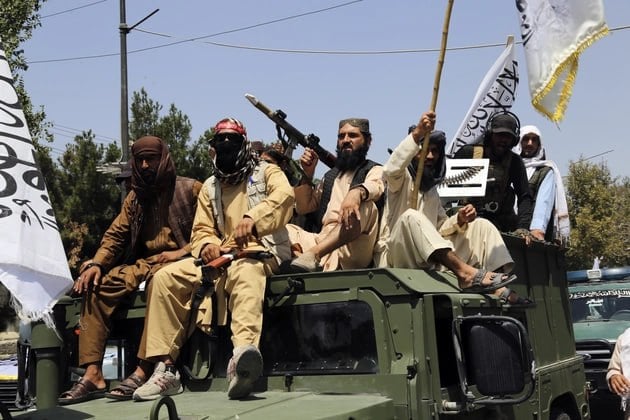
Afghanistan has entered its sixth year under the rule of the Taliban, marking five years since the movement returned to power, amid widespread changes impacting security, social, economic conditions, women’s and girls’ rights, and the country’s relations with the international community.
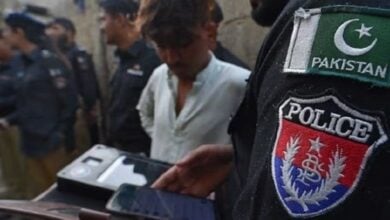
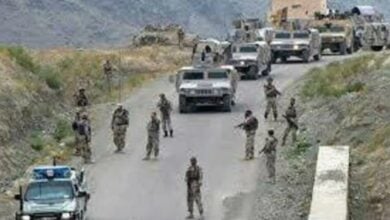
On the security front, the large-scale war that the country experienced before 2021 has subsided, yet security threats persist with ongoing attacks from the “ISIS-Khorasan” group, targeted assassinations, and border tensions, in addition to concerns related to the activities of other armed groups within the country.
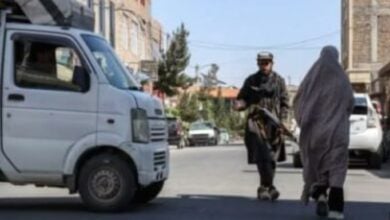
The situation of women and girls remains a prominent human rights issue, as girls continue to be deprived of secondary and higher education, while extensive restrictions have been imposed on women’s employment, mobility, and participation in public life. UNESCO estimates cited in the report indicate that approximately 2.4 million Afghan girls will be out of secondary education by August 2026.
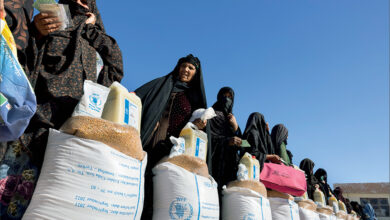
Economically, large segments of the population continue to face poverty, unemployment, and weak purchasing power, despite limited economic growth in recent years. The return of millions of refugees, the decline in foreign aid, drought, and increased pressure on the labor market have further exacerbated living conditions.
Conversely, the diplomatic isolation of the Taliban is gradually subsiding as their communications and relations with several countries expand, amid human rights concerns that this openness could lead to normalized relations without achieving tangible changes in their domestic policies, particularly concerning women and human rights.
After five years since the Taliban returned to power, a paradox emerges between the expansion of their international relations and the continued deprivation of wide sectors of Afghans from numerous rights and opportunities, as the country enters its sixth year amid questions regarding the future of rights, freedoms, and the economic and security situation.