
Afghan Journalists Face Growing Mental Health Crisis Under Taliban Rule
Afghan Journalists Face Growing Mental Health Crisis Under Taliban Rule
————————————————–
Afghanistan’s media community is facing a growing mental health crisis following the Taliban’s return to power, as journalists continue to experience pressure from restrictions on press freedom, job losses, security threats and an increasingly uncertain professional environment.
According to a report published by Shafaqna Afghanistan, based on information from international and local organizations monitoring press freedom and journalists’ rights, the country’s media sector has experienced a significant decline since the Taliban takeover. Many media outlets have closed, thousands of journalists have lost their jobs, and a number of media workers have left the country due to security concerns.
The report said financial difficulties, security pressures and regulations imposed by Taliban authorities have forced several newspapers, radio stations, television channels and news agencies to suspend operations. Remaining outlets operate under strict conditions, including content restrictions, prior review of reports, limited access to officials and reduced coverage of political, security and humanitarian issues.
It added that journalists have faced arrests, detention, threats and mistreatment over their work, including reporting on events, conducting interviews or carrying out journalistic activities without required approvals. Restrictions on internet use and monitoring of journalists’ digital activities have also contributed to an atmosphere of fear and self-censorship.
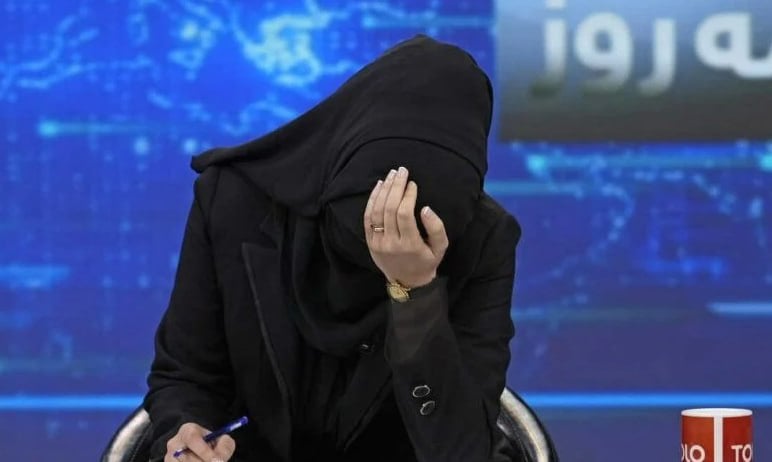
The situation has been particularly difficult for female journalists, who face additional restrictions on professional activities, public appearances and field reporting. Many women have been forced to leave journalism, resulting in the loss of experienced female media professionals.
The report highlighted the psychological impact of these conditions, noting that many journalists suffer from anxiety, depression, sleep disorders and trauma-related symptoms after years of conflict, violence and professional insecurity. More than 70 percent of Afghan journalists inside the country and in exile have reportedly experienced some form of mental health difficulty, although accurate statistics remain difficult to obtain due to security and social barriers.
The crisis is further intensified by limited access to mental health services, social stigma and the economic hardship caused by the closure of media institutions and the loss of income and professional stability.