
Mass Afghan Returns Strain Fragile Health System, Aid Groups Warn

Mass Afghan Returns Strain Fragile Health System, Aid Groups Warn
…………
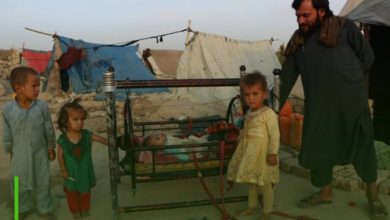
Human rights and humanitarian organisations are warning that large-scale deportations of Afghan refugees from Pakistan in recent months are deepening Afghanistan’s humanitarian crisis. They say the sudden influx of returnees is driving up medical emergencies, worsening poverty, and overwhelming an already fragile public health system with limited resources.
According to rights reports, forced returns have been linked to increased miscarriages, preventable deaths, and the spread of infectious diseases among returnees. Aid agencies report that women and children are disproportionately affected, particularly pregnant women who have endured long, stressful journeys under harsh conditions.
A report cited by Afghan women’s media outlets documents cases of spontaneous miscarriages caused by exhaustion and trauma, alongside maternal and child deaths. Medical organisations also report a rise in preventable illnesses, reflecting gaps in vaccination coverage, nutrition, and access to timely treatment upon return.
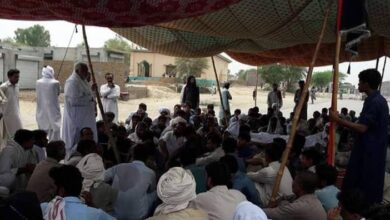
UN data show that the scale of returns has exceeded Afghanistan’s absorption capacity. Hundreds of thousands of Afghans returned from Pakistan alone by mid-December, bringing the total number of returnees from Pakistan and Iran over the past year to around 2.8 million, placing intense pressure on housing, healthcare, and livelihoods.
International rights groups argue that the deportation of millions, including families with legal residency and long-term ties to host countries, violates international obligations. They warn that many returnees face what they describe as economic and health confinement, with limited access to work, services, and protection.
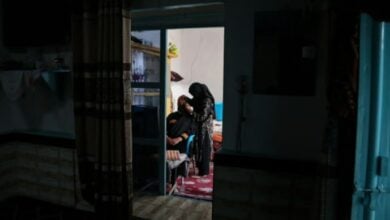
Medical and humanitarian organisations say fear of arrest or persecution has led some returnees to avoid seeking healthcare. Shortages of medicines, weak prenatal services, and the absence of adequate quarantine facilities have heightened health risks, especially in border regions receiving the largest numbers.
While Pakistani authorities have defended the deportations on security and regulatory grounds, rights groups stress that the humanitarian consequences are severe. Aid agencies are calling for an immediate halt to forced returns, alongside urgent international cooperation to fund emergency healthcare, temporary shelter, and protection for vulnerable Afghans.