
Afghanistan Faces Deepening Hunger Crisis and Human Rights Concerns Over Forced Refugee Returns
Afghanistan Faces Deepening Hunger Crisis and Human Rights Concerns Over Forced Refugee Returns
———————————————
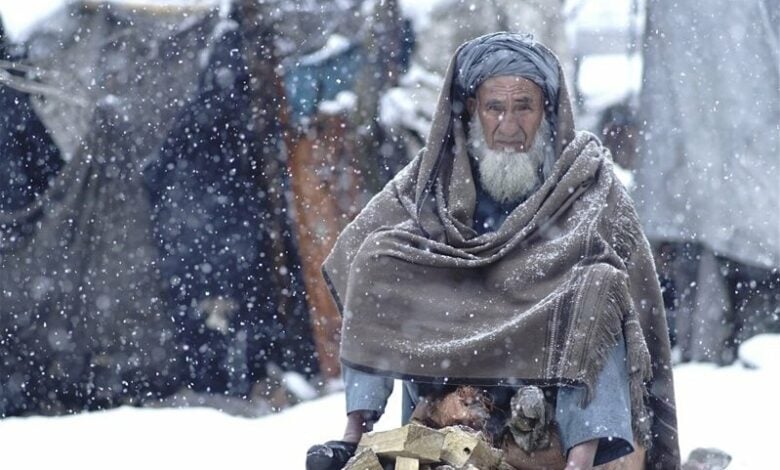
Afghanistan is confronting a severe humanitarian emergency as winter intensifies widespread hunger and global rights groups raise alarm over the coercive return of refugees to the country, highlighting compounded challenges to human security and international legal obligations.
The United Nations World Food Programme (WFP) has urgently appealed to the global community not to abandon Afghanistan, warning that more than 17 million people — over one‑third of the population — face acute food insecurity this winter amid a convergence of persistent drought, economic collapse, shrinking aid, natural disasters and mass returns of Afghan migrants, Khaama Press reported.
According to recent assessments, this represents a roughly 3 million increase in those experiencing crisis levels of hunger compared with last year, with nearly 4 million children at risk of acute malnutrition and many requiring medical treatment. The WFP estimates it needs several hundred million dollars in funding over the coming months to avert worsening conditions and sustain life‑saving assistance, while current food aid reaches only a small fraction of those in need.
Alongside these humanitarian concerns, Amnesty International has called on world leaders to stop the forced returns of refugees and asylum seekers to Afghanistan from countries including Pakistan, Iran, Turkey and Germany, arguing that such actions violate international human rights law and the principle of non‑refoulement, which prohibits returning people to places where they face serious harm.
As reported by The Jurist, the rights group noted that millions of Afghans have been deported in 2025, with women and girls facing discriminatory restrictions on movement, work and education, and former government employees vulnerable to retaliation under Taliban rule.
Afghanistan’s humanitarian situation has deteriorated since the Taliban takeover in August 2021. The collapse of government services, combined with international sanctions and reduced aid flows, has left millions dependent on emergency assistance.
Natural disasters have worsened the crisis. Recent droughts and earthquakes have destroyed crops and infrastructure, while the forced return of refugees from neighboring countries has placed additional strain on fragile communities.