
Uzbekistan Launches Global Competition to Create a Unique Copy of the Holy Qur’an
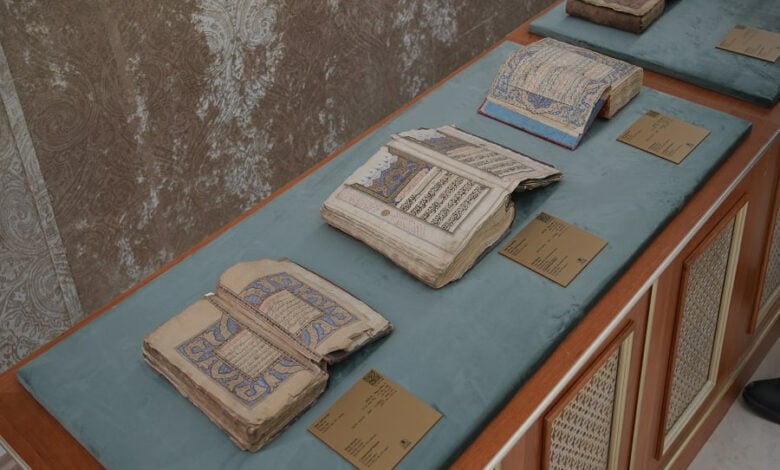
Uzbekistan plans to announce a global competition for calligraphers to create a unique copy of the Holy Qur’an, bringing together leading traditions and schools of Islamic calligraphy from around the world as part of its efforts to revive Qur’anic heritage and the art of Arabic calligraphy.
The competition is scheduled to be officially announced on Wednesday, August 26, at the Center for Islamic Civilization in Uzbekistan as part of the International Media Forum, “Islamic Civilization: A New Vision – New Discoveries.”
During the forum, Habibullah Saleh, director of the Center’s Arabic Calligraphy School, will present the project “The World Qur’an: From the Traditions of Arabic Calligraphy to the Heritage of the Future,” which aims to produce a distinguished copy of the Holy Qur’an embodying the finest traditions and schools of Islamic calligraphy from different countries.
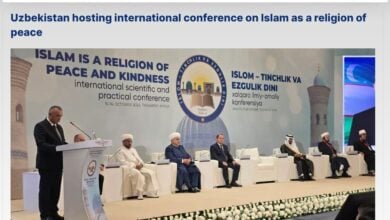
The announcement will take place during a session titled “Heritage Connecting the Ages: The Spiritual Dimensions of Islamic Civilization.” The event will also feature an international discussion on the role of media in confronting stereotypes and Islamophobia, with participation from representatives of the Organization of Islamic Cooperation, institutions, and media outlets from several countries.
The forum includes other projects related to the Holy Qur’an and manuscripts, including “114 Qur’ans: 114 Masterpieces of Calligraphy from the Islamic World” and the “Katta Langar Qur’an: Truth and Legends” project, as well as an initiative exploring the use of artificial intelligence to read ancient manuscripts.
In recent years, Uzbekistan has shown growing interest in reviving the art of Arabic calligraphy. The Center for Islamic Civilization houses a specialized school teaching several traditional scripts, including Thuluth, Naskh, Nastaliq, Ruq’ah, Diwani, and Kufic.
The International Media Forum is being held in Tashkent and Samarkand from August 24 to 28, with the participation of around 300 media professionals and experts from nearly 50 countries, including officials from media institutions, news agencies, and television channels, as well as journalists, researchers, and creative-industry specialists.