

Study: Pomegranate- and Walnut-Linked Compound Improves Heart Function by Up to 80%
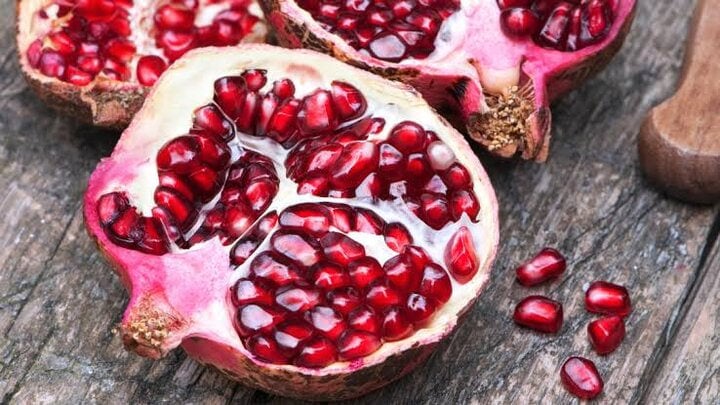
A recent scientific study has reported promising findings on a natural compound known as “urolithin A,” which is produced by the gut microbiome after consuming certain plant-based foods, such as pomegranates, walnuts, and some types of berries. The compound was found to improve heart function in experimental models of heart failure by up to 80%.
Around 64 million people worldwide suffer from heart failure, with a significant proportion of cases involving a condition known as heart failure with preserved ejection fraction (HFpEF), in which the heart muscle becomes stiffer and has difficulty relaxing and filling with blood normally.
The researchers used animal models, along with engineered human heart tissue derived from stem cells, to investigate the effects of urolithin A on the mechanisms involved in heart muscle relaxation.
The study’s lead researcher, Joseph Burguin of King’s College London, explained that the team searched for natural compounds capable of affecting the PKG1alpha protein, which plays an important role in helping the heart muscle relax. Urolithin A was identified as one of the promising compounds.
The results showed that animal models with heart failure treated with the compound experienced an improvement in heart function of up to 80% compared with untreated models. Experiments on human heart tissue also showed a notable improvement in the tissue’s ability to relax.
Urolithin A is produced in the body when gut bacteria process compounds associated with foods rich in ellagitannins, with pomegranates, walnuts, and certain berries among the main sources.
The researchers emphasized, however, that these findings do not mean that eating pomegranates or walnuts is a proven treatment for heart failure in humans. Further studies and clinical trials are still needed to determine the compound’s potential therapeutic benefits.
The researchers believe the findings could pave the way for further investigation into dietary or therapeutic approaches that enhance the body’s production of urolithin A, and potentially contribute to the development of future treatments targeting mechanisms associated with heart failure.