
Indian Muslims Oppose Closure of Uttarakhand Madrasa Board, End of Government Grants
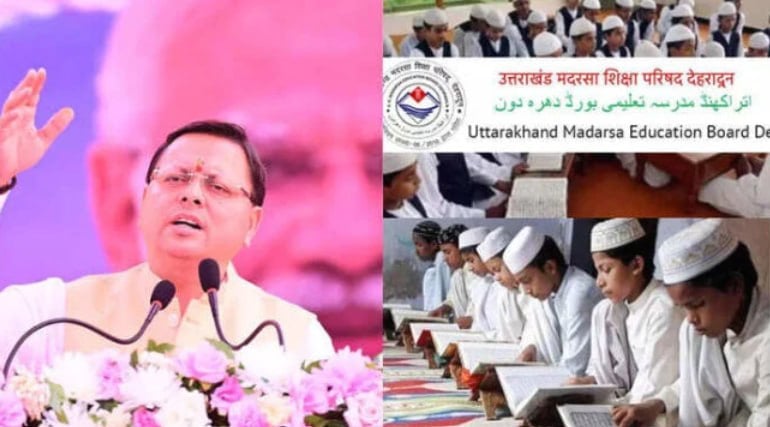
Indian Muslims Oppose Closure of Uttarakhand Madrasa Board, End of Government Grants
———————————————
Muslim organizations and community leaders in India’s Uttarakhand state have expressed opposition to the government’s decision to abolish the state Madrasa Education Board and end financial grants for Islamic religious schools, warning that the move could affect hundreds of institutions and thousands of students.
The Bharatiya Janata Party (BJP)-led state government replaced the Madrasa Education Board with the Uttarakhand Minority Education Authority, a regulatory body responsible for overseeing educational institutions run by six officially recognized minority communities, including Muslims, Christians, Sikhs, Buddhists, Jains and Parsis.
State officials said the former board officially ceased operations earlier this month, with madrasas and other minority educational institutions now coming under the new authority. The government said the reform aims to integrate these institutions into the broader education system while allowing religious studies to continue alongside standard academic subjects.
Uttarakhand has around 452 registered madrasas serving nearly 50,000 students, according to government figures. Officials said hundreds of primary and middle-level madrasas will undergo recognition procedures through local authorities, while secondary and higher-level institutions will be approved through the state education system under a new digital registration process.
The government argued that the new framework would improve students’ access to higher education and public-sector employment, noting that traditional madrasa qualifications such as Maulvi, Alim and Munshi are not officially recognized for government jobs.
However, Muslim groups have criticized the decision, saying the abolition of the madrasa board and withdrawal of financial support could weaken religious educational institutions and limit their ability to provide education. They called for maintaining the autonomy of madrasas and continuing government assistance while supporting their development.
The decision comes amid wider debates across several Indian states over the regulation of Islamic educational institutions and their role within the country’s formal education system.