
Communal Iftars, Traditional Markets, Illuminated Displays Highlight Southeast Asian Muslim Life
Communal Iftars, Traditional Markets, Illuminated Displays Highlight Southeast Asian Muslim Life
——————————————–
The holy month of Ramadan in Malaysia, Brunei, and the Philippines showcases religious devotion, social solidarity, and Islamic cultural traditions across Southeast Asia.
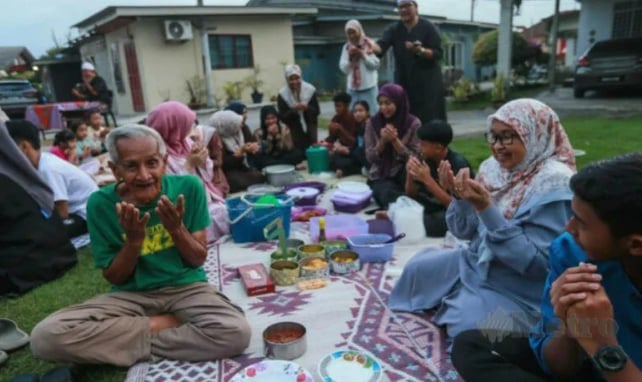
Muslims in these countries participate in communal iftars, traditional markets, and illuminated displays, creating a vibrant atmosphere of unity, social cohesion, and peaceful coexistence.
In Brunei, the historic Ali Saifuddin Mosque in the capital, Bandar Seri Begawan, hosts public iftars, providing an opportunity for both locals and visitors to break their fast together. According to Anadolu Agency, these gatherings strengthen bonds among worshippers and the wider community while promoting charitable activities and Islamic education.
In Malaysia, the Santai PTB Ramadan Market in Rawang has become a major attraction this year. Stretching approximately 1.5 kilometers with over 500 stalls, the market blends shopping with cultural celebration. China Daily reports that locals describe navigating the market as a “running race,” though facilities like prayer rooms and seating areas ensure visitors can shop and break their fast comfortably.
In the Philippines, the Mindanao region, particularly Maguindanao, features illuminated mosques and nightly iftars that highlight festive celebrations and peaceful coexistence among Muslims. Reuters notes that nightly lighting during iftar creates an atmosphere of joy and tranquility for both residents and tourists.
Ramadan in these Southeast Asian countries extends beyond fasting. It offers a communal experience that preserves traditions, strengthens social ties, and integrates Islamic culture into daily life through shared iftars, colorful markets, and illuminated displays.