
UN Warns Middle East Escalation Could Cost Arab Economies Up to $194 Billion
UN Warns Middle East Escalation Could Cost Arab Economies Up to $194 Billion
—————————————-
A new United Nations report warns that ongoing military escalation in the Middle East could inflict losses of up to $194 billion on Arab economies, reversing recent growth and pushing millions into unemployment and poverty.
The United Nations Development Programme (UNDP) has warned that escalating conflict in the Middle East could cost Arab economies between $120 billion and $194 billion, exceeding the region’s total GDP growth recorded in 2025.
In its latest report, the UN agency said the economic fallout could lead to a 4-percentage-point rise in unemployment, resulting in the loss of approximately 3.6 million jobs—surpassing the number of jobs created in the region last year. The crisis is also expected to push an additional 4 million people into poverty.
A senior UNDP regional official described the situation as a “wake-up call” for governments to reassess economic, fiscal, and social policies, warning that the crisis represents a major turning point for development across the Arab world.
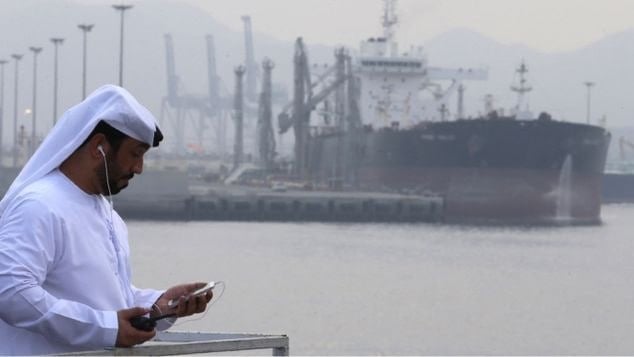
The report highlighted that the largest economic losses are expected in the Gulf and Mashreq regions, where exposure to trade disruptions and energy market volatility is high. GDP in these regions could decline by between 5.2% and 8.7%, accompanied by sharp drops in investment and trade activity.
Meanwhile, poverty levels are projected to rise most significantly in the Levant and least-developed Arab countries, where vulnerabilities are already high. The Mashreq alone could see 2.85 to 3.3 million people fall into poverty—accounting for more than 75% of the regional increase.
The UNDP also warned of a setback in human development, estimating a decline of 0.2% to 0.4%, equivalent to losing up to a year of development progress.
The agency called for stronger regional cooperation, economic diversification beyond hydrocarbons, and expanded trade and logistics systems to reduce vulnerability to future shocks and conflicts.