
UNODC Warns Afghanistan’s Interlinked Crises Intensifying Risks of Crime, Exploitation
UNODC Warns Afghanistan’s Interlinked Crises Intensifying Risks of Crime, Exploitation
———————————–
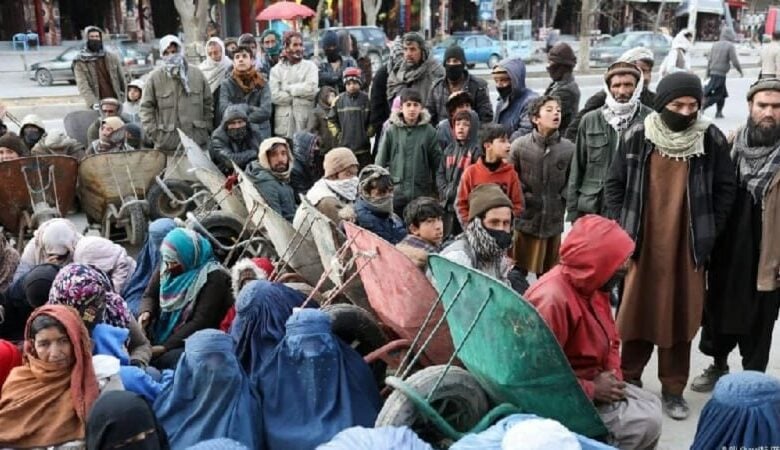
The United Nations Office on Drugs and Crime (UNODC) has warned that Afghanistan’s growing humanitarian, economic and social pressures are increasing risks of crime, exploitation and insecurity, calling for stronger support to address the country’s worsening vulnerabilities.
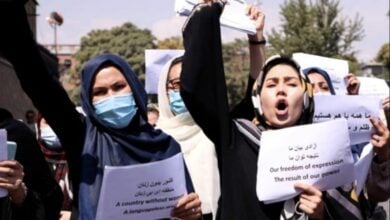
In a statement issued on Tuesday, UNODC said restrictions on the rights of women and girls, declining humanitarian assistance, economic disruption following reduced poppy cultivation, and the large-scale return of Afghans from neighbouring countries are creating conditions that could fuel criminal activity and instability.
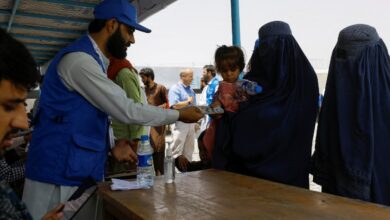
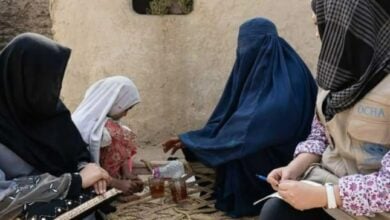
The agency said Afghanistan remains one of the world’s largest humanitarian crises, with millions of people requiring assistance while humanitarian funding continues to fall short. UN agencies have also warned that restrictions affecting women’s participation in humanitarian work have complicated aid delivery to vulnerable communities.
The return of millions of Afghans from countries including Iran and Pakistan has added further pressure on housing, employment, documentation and basic services. UN figures indicate that nearly 5.9 million Afghans have returned since 2023, with additional large-scale returns expected.
UNODC also highlighted the links between economic hardship, illicit economies and organized crime, including human trafficking, migrant smuggling, corruption and weapons trafficking.