
Rohingya Refugees in Malaysia Face Education, Livelihood Barriers Amid Repatriation
Rohingya Refugees in Malaysia Face Education, Livelihood Barriers Amid Repatriation
———————————
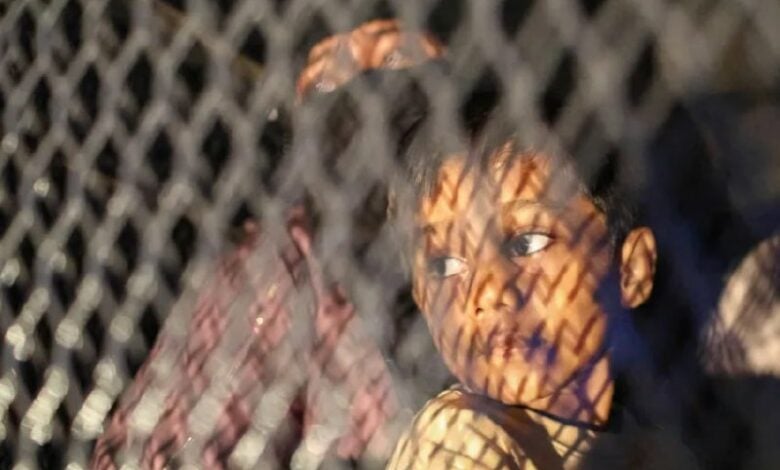
Rohingya refugees in Malaysia continue to rely on informal education and community support, as restrictions on schooling and employment persist amid a controversial government repatriation programme.
An estimated 126,000 Rohingya refugees were registered in Malaysia as of February 2026, according to UNHCR. Refugee and asylum-seeking children cannot attend Malaysia’s public schools and instead depend largely on community-run learning centres. UNHCR says about 160 such centres operate across Peninsular Malaysia.
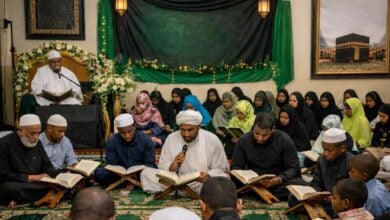
In Kuala Lumpur, Rohingya children attend informal classes that combine Quranic studies with general academic subjects. Community organisations say these centres depend heavily on donations and volunteer support.
Rohingya families also face restrictions on formal employment and limited access to public services, leaving many dependent on informal work and community assistance. UNHCR reported that only 35 percent of school-age refugee children in Malaysia had access to any form of education in 2025.
The situation has gained renewed attention following Malaysia’s decision to begin returning Myanmar nationals. On September 29, about 1,500 people, including Rohingya, were deported in the first phase of a programme that could eventually involve 5,000 people. Malaysia says the returns are voluntary.
UNHCR said it was not involved in the operation and warned that continuing conflict and violence in Myanmar mean conditions for safe and dignified returns have not been met. More than 160 civil society organisations have also urged Malaysia to halt the repatriations.
The Rohingya have faced prolonged persecution in Myanmar, including the 2017 military crackdown that drove more than 700,000 people into neighbouring Bangladesh. Myanmar’s continuing conflict has further complicated prospects for safe return.