
Taliban Actions Raise Concerns Over Religious, Cultural, and Educational Restrictions Affecting Afghanistan’s Shiite Community
Taliban Actions Raise Concerns Over Religious, Cultural, and Educational Restrictions Affecting Afghanistan’s Shiite Community
————————–
Local sources reported that Taliban authorities closed the “Hazrat Fatima Zahra” clinic in Dasht-e-Barchi, a predominantly Shiite area in western Kabul. The stated reason for the closure was the government’s plan to designate the area as a “green zone,” but residents expressed concerns over the impact on access to affordable healthcare. The clinic, established by the Parsian Green Charity Organization, had served large numbers of residents due to its low-cost medical services.
The closure follows earlier changes affecting healthcare facilities in western Kabul, including the reported relocation of equipment from Mohammad Ali Jinnah Hospital, previously a major public hospital serving the area, to eastern Kabul.
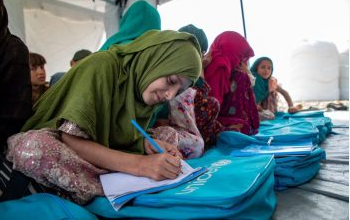
Meanwhile, Taliban authorities have announced the construction of around 1,300 schools and religious schools across Afghanistan over the past five years. The move has drawn criticism from rights groups and education advocates, who warn that the expansion of religious institutions could be used to promote the Taliban’s ideological views. Concerns have also been raised over changes to curricula and the continued restrictions on girls’ and women’s education.
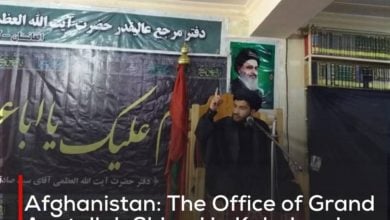
In Ghor province, local sources reported that Taliban forces detained Shiite cleric Hujjat al-Islam Mohammad Hamidi, imam of Khatam al-Anbiya Mosque, after he held a mourning gathering for Lady Fatima al-Zahra (peace be upon her). Sources said he was later released following mediation by local elders, but was reportedly restricted from teaching, preaching, and leading congregational prayers. Reports also said Taliban forces later raided his home and detained several relatives, although details about their status remain unclear.
In Kabul, Taliban authorities also reportedly closed the offices of Afghan Voice Agency (AVA) and the Tebyan Scientific and Cultural Center. The move affected institutions associated with the Shiite community, while some employees were reportedly questioned or detained by intelligence authorities. No official explanation has been issued regarding the closures.
The latest measures follow previous actions against several Shiite-affiliated institutions, including media outlets, educational centers, and cultural organizations. Rights advocates have expressed concern over increasing restrictions on religious, cultural, and media activities, while Taliban authorities have not publicly commented on the allegations.