
Researchers Highlight Lady Fatima al-Ma’suma’s Role in Promoting Shi’a Culture, Supporting Scholarly Development
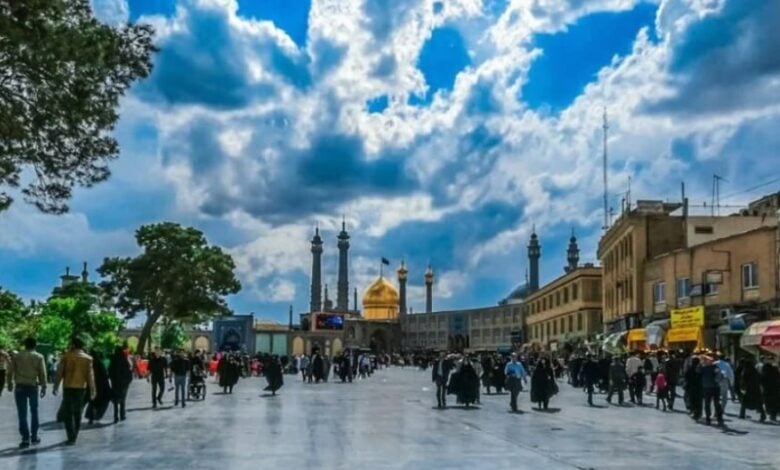
Researchers Highlight Lady Fatima al-Ma’suma’s Role in Promoting Shi’a Culture, Supporting Scholarly Development
——————————
Researchers and academics specializing in Shi’a history have highlighted the cultural, educational, and scholarly significance of Lady Fatima al-Ma’suma (peace be upon her), emphasizing the impact of her shrine in the development of religious scholarship and the spread of Shi’a teachings.
In statements to Shia Waves Agency, scholars said that Lady al-Ma’suma played an important role in Islamic and Shi’a cultural history through her connection to the Ahl al-Bayt (peace be upon them) and her contribution to preserving and transmitting their teachings.
They noted that her arrival in the holy city of Qom and the establishment of her shrine there had a lasting influence on the city’s religious and cultural identity, helping transform Qom into one of the major centers of Shi’a scholarship.
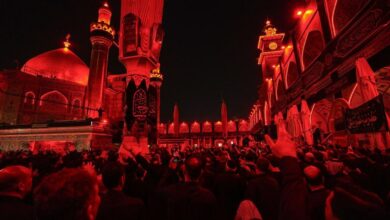
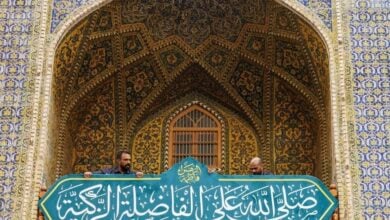
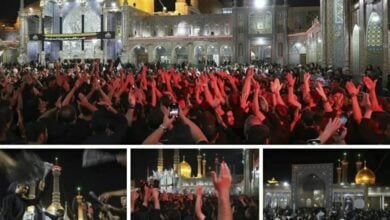
The researchers described the shrine of Lady al-Ma’suma as a center of intellectual and spiritual inspiration for followers of the Ahl al-Bayt (peace be upon them), attracting scholars, students, and visitors who draw from her legacy and religious heritage.
They also emphasized her scholarly status, noting that Lady al-Ma’suma was known for her interest in knowledge and for narrating traditions from the Imams of the Ahl al-Bayt (peace be upon them), contributing to the preservation and transmission of their teachings.
The academics called for greater efforts to introduce her life, virtues, and scholarly position to new generations, describing her as a significant figure in Shi’a history and a symbol of spiritual and intellectual excellence.
Lady Fatima al-Ma’suma (173–201 AH), daughter of Imam Musa al-Kadhim and sister of Imam Ali al-Ridha (peace be upon them), holds a distinguished place among the women of the Ahl al-Bayt (peace be upon them) and is highly revered by Shi’a Muslims worldwide.