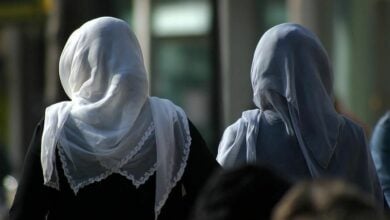

The hijab returns to the forefront of political controversy in France amid a proposal to fine women who wear it
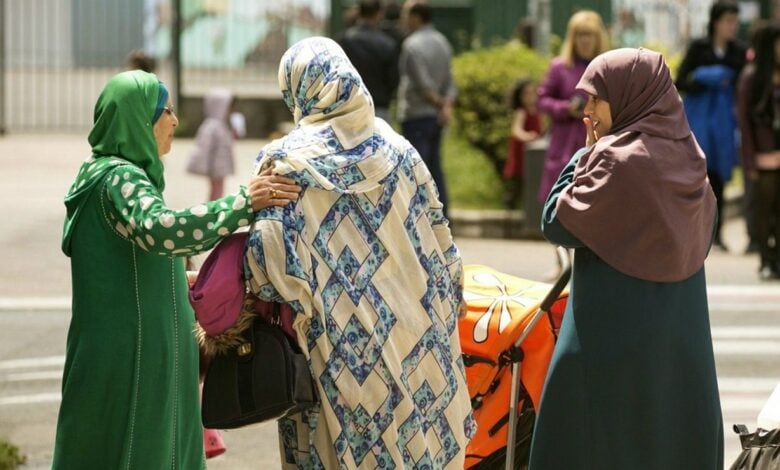
The hijab returns to the forefront of political controversy in France amid a proposal to fine women who wear it
The issue of the hijab has returned to the forefront of political controversy in France after the far-right “National Rally” party proposed imposing financial fines on women who wear the hijab in public spaces. This has sparked governmental reservations and political objections regarding its potential infringement on individual and religious freedoms.
The French government has expressed legal and practical reservations about the proposal. The government’s spokeswoman, following a Cabinet meeting at the Élysée Palace, indicated that imposing a comprehensive ban on the hijab in public spaces faces constitutional and practical obstacles. She pointed out that any legislation concerning religious symbols cannot target a specific group over others, in light of the legal principles governing equality and religious freedoms in the country.
This proposal came after leaders of the “National Rally” party announced their resolution of an internal debate regarding the adoption of a ban on the hijab in public spaces, extending positions previously put forth by Marine Le Pen during her electoral campaigns, which have made religious symbols and clothing a prominent issue in the party’s rhetoric.
In contrast, the proposal has elicited angry reactions from French left-wing forces, spearheaded by the “Unsubmissive France” party, which argued that moving toward fining veiled women reflects an escalation of anti-Muslim rhetoric in French political life. The party’s leader, Jean-Luc Mélenchon, vehemently criticized the proposal, describing the attempt to fine veiled women as a “shameful” approach. He stressed that secularism should be a framework to ensure freedom and societal unity, not a means of discrimination or exclusion.
Mélenchon emphasized that wearing religious symbols, including the hijab, falls within the personal choices of individuals in public spaces, criticizing the far-right’s repeated focus on Muslims and their religious expressions.
The renewed controversy brings the issue of the hijab and secularism back to the forefront of political tensions in France, at a time when political forces’ positions differ regarding the boundaries of expressing religious identity in the public sphere, amid concerns among Islamic and human rights circles about the impact of political rhetoric concerning the hijab on religious freedoms and the lives of Muslim women in the country.