
Six Months Since the Closure of the Strait of Hormuz: Sharp Decline in Navigation and Thousands of Seafarers Stranded
Six Months Since the Closure of the Strait of Hormuz: Sharp Decline in Navigation and Thousands of Seafarers Stranded
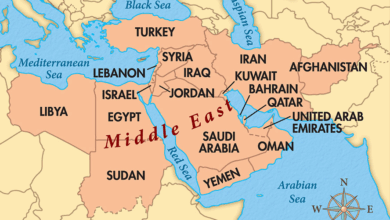
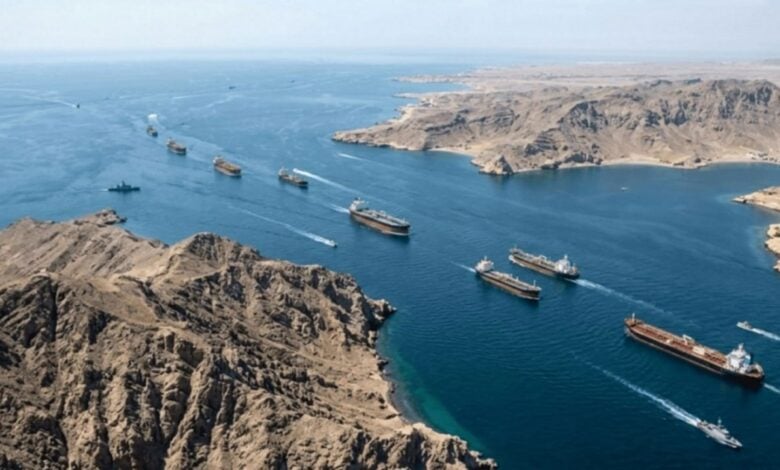
The Strait of Hormuz continues to experience widespread paralyses in navigation six months after the outbreak of war in the Middle East and Iran’s closure of the strategic passage. There has been a sharp decline in commercial ship traffic, leaving thousands of seafarers stranded in the Gulf region.
Prior to the outbreak of the conflict, about one-fifth of the world’s oil and liquefied natural gas exports passed through the Strait of Hormuz. This was before Iran announced its closure on March 1, following the joint U.S.-Israeli strikes it suffered in February.
According to an analysis by Agence France-Presse, based on data from the marine tracking platform “Kpler,” the average movement of commodity transport ships dropped from 95 transits per day in February to about 10 transits following the strait’s closure, reflecting a 90% decline in the initial phase of the crisis.
Shipping activity saw a temporary rebound following a memorandum of understanding between the United States and Iran in June, with the average rising to 36 transits per day. However, it fell again to approximately 15 transits per day between July 8 and August 22, coinciding with intermittent renewals of hostilities, equivalent to an 84% decline compared to pre-closure levels.
The security risks complicate ship movements through the strait, after the Iranian Revolutionary Guard warned of a “danger zone” covering approximately 1,400 square kilometers suspected to contain mines. Ships have begun using alternative routes near the Iranian and Omani coastlines alongside the traditional maritime passage.
Data from “Kpler” showed that about two-thirds of transits have become “untraceable” since the ceasefire collapsed on July 8, compared to less than 1% before the war. This is due to factors including the disabling of tracking devices, signal jamming, and a lack of satellite data.
On the humanitarian front, the International Maritime Organization reported that around 6,000 seafarers aboard approximately 500 ships have remained stranded in the Gulf since the conflict’s onset. The organization confirmed the continuation of discussions to provide a safe maritime corridor for releasing the ships, with the success of these efforts tied to de-escalation in the region.
The organization had launched an initiative in June to evacuate more than 11,000 stranded seafarers, but efforts stalled after one ship came under attack.
According to the International Maritime Organization, at least 20 sailors and port workers have been killed over the past six months due to incidents and attacks linked to the region’s security situation, while disruption persists in one of the world’s most vital energy and trade maritime corridors.