
The Rise of Muslims in American Politics: From Minority Representation to Influencing the Political Landscape
The Rise of Muslims in American Politics: From Minority Representation to Influencing the Political Landscape
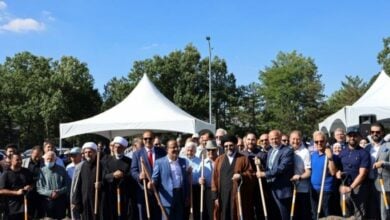
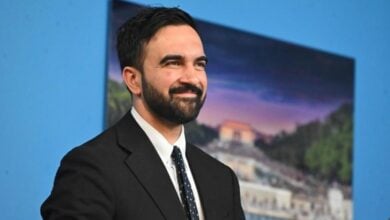
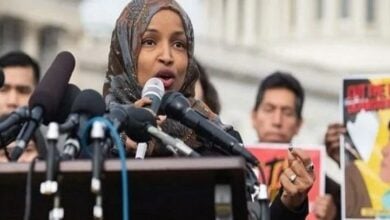
The political presence of American Muslims has witnessed a noteworthy rise in recent years, with a number of Muslim figures transitioning from minority representation to participating in electoral contests for prominent political positions. They build on platforms focusing on economic, social, and political justice issues.
This transformation is part of the emergence of a new generation of Muslim politicians and activists, alongside prominent figures within the Democratic Party. Their campaigns have increasingly focused on issues such as the rising cost of living, housing, transportation, social welfare, and the rejection of political financial influence. Additionally, they have adopted more critical stances toward U.S. policies on the Palestinian issue.
Demographic data indicate that American Muslims constitute a diverse community in terms of ethnic origins and social backgrounds, extending beyond Arabs to include Muslims of Asian, African, Latin, and European descent. A significant portion of this community is concentrated in highly populated cities and states, such as New York, Michigan, California, Texas, and Illinois.
This geographical concentration, coupled with high rates of education and professional and economic participation, affords American Muslims and Arabs the capacity to impact elections, particularly in states with intense competition between the Republican and Democratic parties.
Observers note that the most notable shift is in the transition of American Muslims’ political discourse from focusing on protecting religious identity and combating discrimination, to engaging in the formulation of public policies and advocating for issues of broad concern to the American public. This amplifies their role as an active part of the political scene.
Thus, the rise of Muslim candidates is not merely a phenomenon linked to religious identity but rather a result of demographic, economic, social, and political factors. These factors have made Muslim and Arab voters an influential force in various electoral districts and have driven Muslim candidates to compete for political positions that previously seemed more challenging for them.