

Widespread Human Rights Condemnation Following Repeated Burning and Desecration of the Qur’an in the United States
Widespread Human Rights Condemnation Following Repeated Burning and Desecration of the Qur’an in the United States
A new incident involving the burning and desecration of a copy of the Qur’an in the United States has sparked a wave of human rights and societal condemnations. This event raises concerns about the escalation of hate speech and provocations against Muslims, with calls for more serious action to combat religious incitement and protect societal peace.
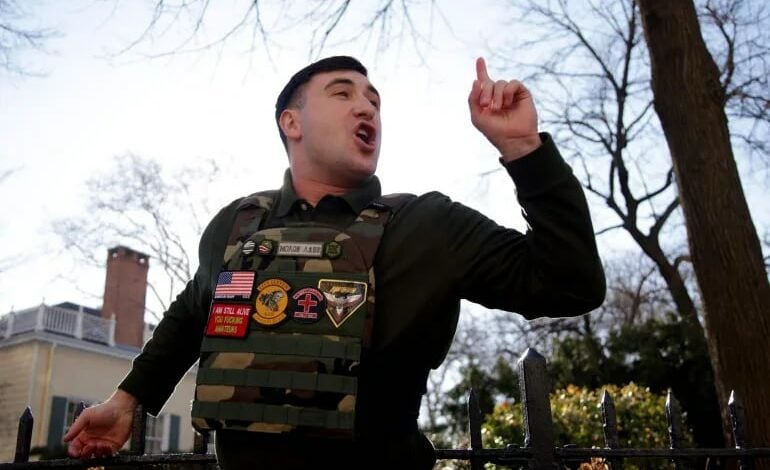
According to circulated reports, far-right American activist Jake Lang set a copy of the Qur’an on fire and desecrated it in Miami, Florida. This incident is said to be the fifth of its kind in two years, following a series of provocative acts targeting the Qur’an and Muslims.
In previous visits to the city of Dearborn, Michigan—which has a large Arab and Islamic community—Lang had already sparked widespread controversy when he was reportedly involved in attempts to burn and desecrate copies of the Qur’an and delivered anti-Islamic speeches.
Amid fears of repeated provocations, the Dearborn Police urged residents to avoid confrontations with out-of-town groups that may participate in anti-Islamic activities, while affirming enhanced security measures in anticipation of an upcoming city council meeting. Chief of Dearborn Police Issa Shahin stated that groups coming to the city to provoke seek to elicit reactions and draw attention. He urged residents not to get entangled in these provocations. Meanwhile, the Michigan branch of the Council on American-Islamic Relations emphasized the importance of restraint and avoiding confrontation.
Similarly, human rights organizations condemned the burning and desecration of the Qur’an, considering the repetition of these practices as a deliberate provocation to Muslims’ sentiments and contributing to the fueling of hatred and religious hostility within communities. The organizations asserted that freedom of expression should not become a guise for inciting religious hatred, referencing Article 20 of the International Covenant on Civil and Political Rights, which calls for the prohibition of advocacy of national, racial, or religious hatred that constitutes incitement to discrimination, hostility, or violence.
They also cited international resolutions concerning the fight against religious hatred, calling on the United Nations, the Human Rights Council, the High Commissioner for Human Rights, international organizations, and Islamic countries to take clear stances against repeated attacks on Islamic sanctities and to activate legal and diplomatic mechanisms to confront “Islamophobia” and hate speech.
The rights bodies warned against treating the recurrent incidents as isolated events, emphasizing that the repeated targeting of the Qur’an, particularly in areas with large Islamic communities, threatens coexistence and societal peace and may exacerbate sentiments of hostility and discrimination against Muslims. They underscored that insulting the Qur’an would not diminish its status and sanctity for over two billion Muslims worldwide, asserting that respecting sanctities and confronting hate speech is a shared responsibility that requires protecting freedom of religion and belief, safeguarding the dignity of followers of all religions, and preventing religious provocations from becoming catalysts of tension and violence within societies.