

Four African cities among world’s least livable urban areas in 2026, new index says
Four African cities among world’s least livable urban areas in 2026, new index says
———————————————–
The 2026 Global Livability Index, published by the Economist Intelligence Unit (EIU), placed four African cities among the ten least livable cities worldwide, reflecting ongoing challenges related to security, healthcare, infrastructure and public services.
The index evaluated 173 cities based on 30 indicators across five categories: stability, healthcare, culture and environment, education, and infrastructure. Each city received an overall score out of 100 points.
Copenhagen, Denmark, ranked as the world’s most livable city for the second consecutive year, followed by Vienna and Melbourne. The global average score reached 76.1 points, with improvements recorded in healthcare, while stability indicators declined due to rising geopolitical tensions.
At the bottom of the ranking, Damascus, Syria, was placed last globally with a score of 31.6 points, followed by Tripoli, Libya, which ranked 172nd with 41 points. The report attributed their low positions to the effects of prolonged conflict and political instability.
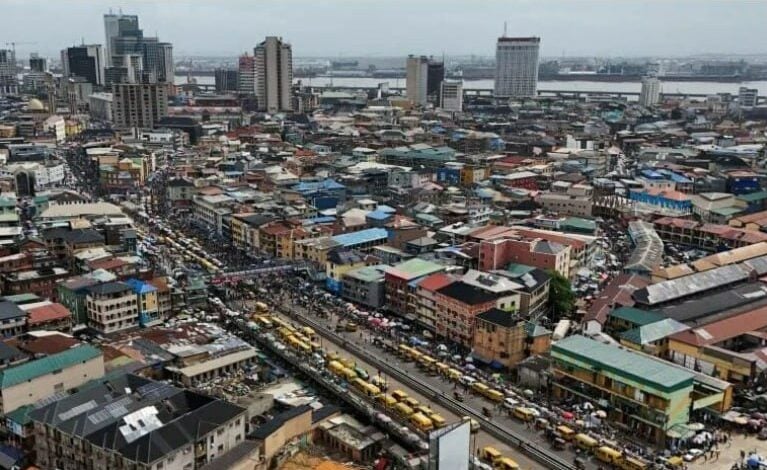
Among African cities, Lagos, Nigeria, ranked 168th with a score of 44 points, affected by weaknesses in stability and healthcare, as well as pressures from rapid population growth, congestion and limited essential services.
Algiers, Algeria, ranked 169th with 43 points. While the city performed relatively better in healthcare, infrastructure challenges contributed to its lower overall position. Harare, Zimbabwe, ranked 165th with 45 points, receiving stronger scores in education but weaker results in healthcare.
The report highlighted that armed conflicts, governance challenges and insufficient investment in public services remain major factors affecting quality of life in many cities, particularly in regions facing security and economic crises.
Other cities included among the world’s least livable locations were Tehran, Kyiv, Port Moresby, Karachi and Dhaka, reflecting the continued impact of conflict, economic pressures and infrastructure limitations on urban living conditions.