
French Muslims Question Inclusion as Debate Over Secularism and Religious Rights Intensifies
French Muslims Question Inclusion as Debate Over Secularism and Religious Rights Intensifies
———————————————-
France’s Muslim community, estimated at around five million people, is facing renewed debate over whether the country’s principle of laïcité (secularism) is being applied equally or increasingly used to restrict Muslim religious expression, according to human rights organizations and academic researchers.
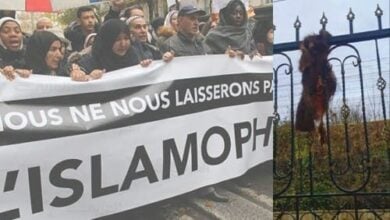
Data from France’s Interior Ministry shows a rise in reported anti-Muslim incidents. The ministry recorded 326 anti-Muslim acts in 2025, an increase of 88% compared with the previous year, with attacks targeting individuals rising significantly. The report also recorded a sharp increase in incidents involving threats, hostile gestures and religious provocations targeting Muslim communities.
A survey by France’s independent rights ombudswoman, based on responses from 5,000 people, found that religious discrimination has increased. While 7% of respondents reported experiencing religious discrimination in the previous five years, the figure reached 34% among people of Muslim heritage.
Critics argue that France’s secular framework, originally designed to guarantee religious neutrality and freedom, has increasingly been applied through policies affecting Muslim clothing, religious organizations and public expression. Legal experts, including former Observatory of Secularism official Nicolas Cadène, have warned that political debates over Islam have contributed to a more restrictive interpretation of laïcité.
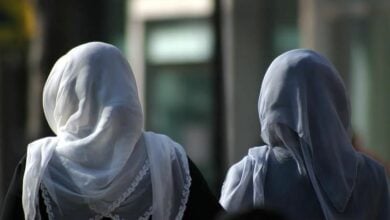
The debate has intensified after proposals from some conservative lawmakers calling for additional restrictions, including measures targeting the hijab in certain public settings and schools. Human rights groups have criticized such proposals, arguing they risk targeting Muslims as a community rather than addressing specific security concerns.
Organizations including Amnesty International have raised concerns about restrictions affecting Muslim women, particularly regarding headscarf policies in sports and public life. The group has argued that some measures justified in the name of secularism may undermine freedom of religious expression.
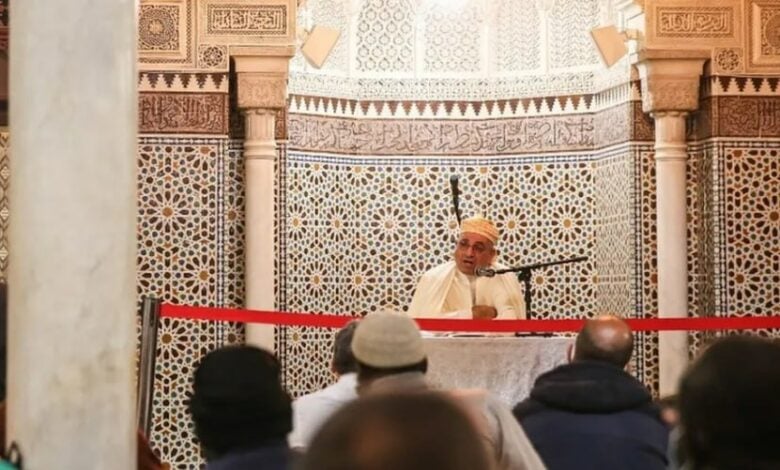
Rights groups have also criticized aspects of France’s counter-terrorism policies, including increased oversight of some mosques and Muslim organizations under the 2021 anti-separatism law. Amnesty International has warned that such measures may contribute to a climate of suspicion toward ordinary religious practices.
Supporters of stricter policies argue that secularism is essential to protecting republican values and preventing extremism. However, some academics and researchers say framing Muslim identity as a security concern risks undermining equal citizenship and contributes to political polarization.
International organizations have also examined France’s approach to religious freedom. A 2026 assessment by the Organization for Security and Co-operation in Europe (OSCE) noted that strict applications of laïcité have created tensions regarding religious expression among Muslims, Sikhs and other minority faith communities.
The ongoing debate has placed France’s republican principles under renewed scrutiny, with Muslim citizens and civil rights groups questioning whether the country’s commitment to liberty, equality and fraternity is being applied consistently across all communities.