
Lebanese Culture Minister: Israeli Attacks Caused Extensive Damage to Historic Sites in Southern Lebanon
Lebanese Culture Minister: Israeli Attacks Caused Extensive Damage to Historic Sites in Southern Lebanon
——————————————–
Lebanese Culture Minister Ghassan Salameh said months of Israeli air and ground attacks have caused severe damage to archaeological and heritage sites in southern Lebanon, with several historic landmarks destroyed or badly damaged.
Speaking to Reuters, Salameh said Lebanese authorities have not yet been able to carry out a full assessment of the losses because Israeli forces remain present in an area extending about ten kilometers inside Lebanese territory, preventing specialized teams from reaching damaged sites. “We cannot work under occupation,” he said.
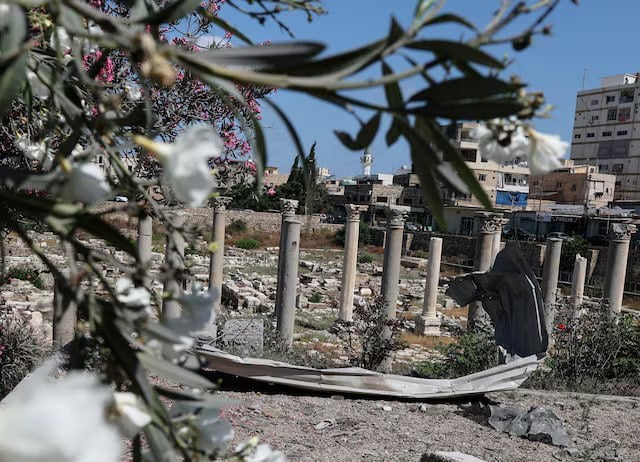
According to the minister, Israeli airstrikes destroyed the historic Mamluk-era market in the city of Nabatieh. Several old border towns were also leveled, while archaeological sites in the coastal city of Tyre, a UNESCO World Heritage Site, sustained damage, including the fall of a capital from one of its ancient columns. A religious site visited by both Muslims and Christians in one southern town was also destroyed.
Salameh added that the area still under Israeli control includes the medieval Beaufort Castle and ancient villages that were once home to Shia, Sunni, and Christian communities. He said some of these villages had been “completely leveled.” He also noted that shelling had hit the town of Tebnine, raising concerns over possible damage to its Crusader-era castle.
Southern Lebanon is rich in cultural heritage, with landmarks dating back to the Phoenician, Roman, Byzantine, Mamluk, and Crusader periods. The damage to these sites has raised growing concern among those responsible for protecting human heritage.