
UN urges reopening of Strait of Hormuz as global shipping crisis escalates
UN urges reopening of Strait of Hormuz as global shipping crisis escalates
———————————–
The United Nations has called for the immediate reopening of the Strait of Hormuz, warning that prolonged disruptions have triggered a global trade and energy crisis, with thousands of ships halted and oil supplies severely constrained.
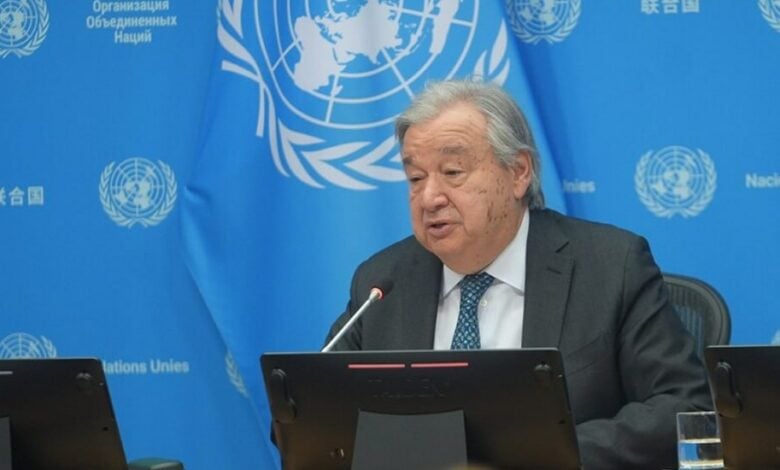
Speaking at the UN Security Council, Secretary-General António Guterres urged all parties to allow free navigation, stressing that the waterway is vital to global stability. He said disruptions since early March have hit energy markets, food supplies, and trade, describing safe passage as an “economic and humanitarian imperative.”
Meanwhile, the head of the UN’s maritime body has warned that disruptions in the Strait of Hormuz are driving a deepening global shipping crisis, urging all parties to uphold freedom of navigation and international maritime law.
The crisis stems from escalating tensions involving Iran, United States, and Israel, which led to the near-total suspension of maritime traffic. Shipping volumes have dropped dramatically—from around 140 vessels daily to single digits—while naval blockades and retaliatory measures have restricted access.
According to Reuters, about 20,000 seafarers and more than 2,000 vessels remain stranded in the Gulf, facing mounting risks as conditions deteriorate. Oil markets have reacted sharply, with prices rising amid fears of prolonged supply shortages.
Reporting from The Guardian highlights intensifying geopolitical tensions, including disputes over seized tankers and competing blockades, further complicating efforts to reopen the strait and undermining international maritime law.
The strait—through which roughly 20% of global oil and gas flows—has become a focal point of the wider 2026 conflict, with analysts warning that continued disruption could deepen inflation, destabilize economies, and prolong what some describe as the most severe energy supply shock in decades.
Guterres called for restraint and dialogue, offering UN mediation and emphasizing that the seas must remain a zone of cooperation, not confrontation, as diplomatic efforts to resolve the crisis continue.