
Middle East War Disrupts Global Food Supplies, Raising Risk of Hunger for Millions
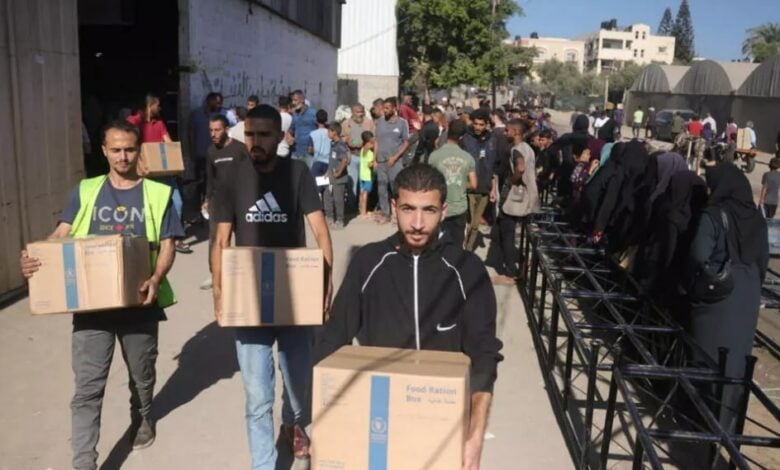
Middle East War Disrupts Global Food Supplies, Raising Risk of Hunger for Millions
———————————–
The ongoing conflict in the Middle East is increasingly threatening global food security, with international organizations warning that supply disruptions and rising costs could push millions more people toward hunger.
More details in the following report:
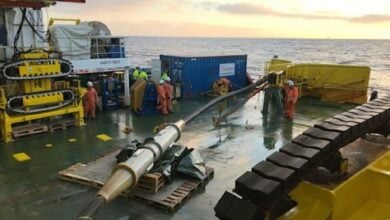
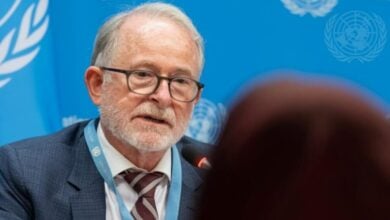
Ngozi Okonjo-Iweala, head of the World Trade Organization, has warned that the war is disrupting shipping routes and driving up energy prices, reducing the availability of fertilizers and increasing their cost—key factors that directly affect global agricultural production.
Recent developments show the crisis has intensified, particularly due to disruptions in the Strait of Hormuz, a critical route through which about 30% of global fertilizer trade passes. The conflict has led to sharp increases in fertilizer prices, with urea—one of the most widely used fertilizers—rising by 30% to 40%, and in some cases even higher.
Analysts warn that these supply shocks could reduce crop yields as farmers cut fertilizer use or shift to less productive crops, potentially leading to shortages of key staples such as wheat and corn. This, in turn, is expected to push up the cost of basic food items, including bread, poultry, and dairy products, raising the risk of a new wave of global food inflation.
Developing countries are expected to be the hardest hit. Nations such as Somalia, Bangladesh, Kenya, and Pakistan are particularly vulnerable due to their heavy reliance on imported fertilizers and exposure to global price shocks.
The crisis is also fueling broader economic concerns. Rising energy prices and transport costs linked to the conflict are expected to slow global trade and increase inflationary pressures worldwide. Economists warn that prolonged disruption could trigger a wider “food price shock,” compounding existing economic challenges in many countries.
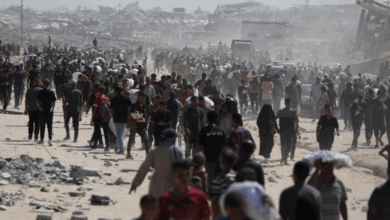
According to the United Nations and the World Food Programme, hundreds of millions of people already face severe food insecurity globally, and the current conflict risks significantly worsening the situation if it continues.