

Historic Delhi Mosque Faces Demolition Threat Amid Wider Concerns Over Anti-Muslim Bulldozer Campaigns in India
Historic Delhi Mosque Faces Demolition Threat Amid Wider Concerns Over Anti-Muslim Bulldozer Campaigns in India
————————————–
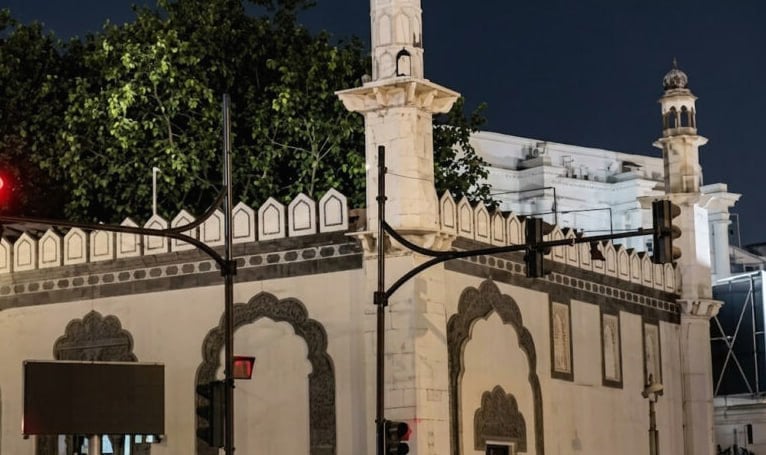
The eviction threat facing the historic Race Course Mosque in New Delhi has renewed concerns over the treatment of Muslim religious sites in India, where demolition drives and disputes over mosque properties have drawn criticism from Muslim organisations and human rights advocates amid the rise of Hindu nationalist, or Hindutva, politics.
The mosque, believed to be approximately 125 years old, is located near the official residence of Prime Minister Narendra Modi. According to reports published on October 19 and 20, 2026, the government’s Land and Development Office (L&DO) issued an eviction notice giving imam Mohammed Haroon six days to vacate the premises. The development has prompted calls for urgent intervention to prevent the mosque’s demolition and safeguard its religious and historical significance.
Haroon has alleged that the authorities disconnected the mosque’s electricity and water supplies and closed its gates, making it difficult for worshippers to access the premises and perform their prayers. The L&DO reportedly considers the property unauthorised, while Muslim representatives have pointed to historical and official records supporting the mosque’s status. The legal dispute over the site remains unresolved.
The case has revived broader concerns about what critics describe as the use of administrative demolition drives to place pressure on Muslim communities and their religious institutions. Under the Bharatiya Janata Party (BJP), led nationally by Modi, so-called “bulldozer action” has become a prominent feature of disputes involving alleged encroachments and unauthorised construction. Critics of Hindutva politics argue that such measures have disproportionately affected Muslims and can deepen religious divisions when due process, adequate notice and judicial review are questioned.
Previous cases have intensified these concerns. In January 2024, authorities demolished the historic Akhoondji Mosque and an adjoining madrasa in Delhi’s Mehrauli area, citing encroachment on government land. In January 2026, a separate demolition drive targeted structures around the Faiz-e-Ilahi Mosque near Turkman Gate in Delhi, following a legal dispute over alleged encroachments. Although officials have cited land-use violations, road development and other administrative grounds in different cases, critics have questioned the timing and implementation of some operations, particularly where Muslim religious sites or adjoining community facilities were affected.
The Race Course Mosque dispute has also prompted intervention by Jamiat Ulama-i-Hind. On October 19, a delegation led by the organisation’s general secretary, Maulana Muhammad Hakimuddin Qasmi, met Union Minority Affairs Minister Kiren Rijiju and submitted a memorandum seeking protection for the mosque and an adjoining graveyard. The organisation called for the restoration of electricity and water, access for worshippers and urgent government action to prevent demolition while the site’s legal and historical status is examined.
The controversy has also drawn attention to the responsibilities of the Delhi Waqf Board and the authorities responsible for safeguarding religious heritage. Muslim representatives maintain that the mosque’s historical documentation and religious significance warrant protection, while the government’s position on the land remains central to the dispute.