
Identity Debates Intensify in France as Hijab, Food, and Migration Become Political Issues
Identity Debates Intensify in France as Hijab, Food, and Migration Become Political Issues
——————————————–
Debates over national identity, secularism, and multiculturalism are intensifying in France, with discussions increasingly extending beyond migration policies to everyday issues such as the hijab, food practices, and religious expressions among Muslims, amid the growing influence of far-right political discourse.
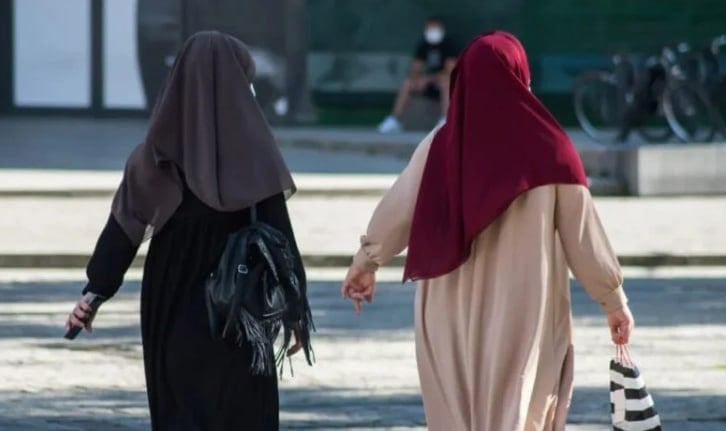
The issue of the hijab has returned to the center of political debate after the National Rally party proposed banning its use in public spaces, sparking discussions over the balance between France’s secular principles and freedom of religion.
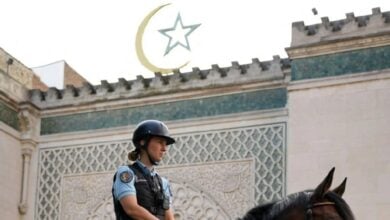
In an opinion article published by Le Monde, Paris Grand Mosque rector Chems-eddine Hafiz criticized the proposal, arguing that Muslims in France are citizens of the Republic rather than guests. He said secularism should protect freedom of conscience and equality among citizens rather than become a tool to exclude religious beliefs from public life.
Hafiz also referred to the historical role of the Grand Mosque of Paris, including its links to the recognition of Muslim soldiers who served under the French flag, as part of his argument that Muslim identity is connected to France’s national history.
Meanwhile, food has also become part of the broader identity debate. A report by Le Monde noted that some far-right movements have incorporated traditional French cuisine into discussions about cultural identity, while issues such as halal food, religious slaughter practices, kebabs, and school meals have become part of wider “culture war” debates.
The newspaper noted that celebrations of French culinary traditions can take on political dimensions when they are used to distinguish between what is presented as “authentically French” and what is viewed as coming from other cultures.
At the same time, La Croix examined the National Rally’s efforts to present itself as a mainstream republican party, while noting that statements and positions from some members and supporters continue to fuel debate over the party’s relationship with its historical roots.
The ongoing discussions reflect a broader struggle over the definition of French identity, with competing views on whether national identity should be defined more exclusively or whether secularism can coexist with religious and cultural diversity.
The position of Muslims in French society remains central to the debate, with advocates of religious freedom arguing that citizenship and belonging should not require abandoning religious identity, while emphasizing the need to uphold republican principles of equality and secularism.