
UNESCO Launches International Initiative to Protect Endangered Languages and Enhance Their Presence in Education and Culture
UNESCO Launches International Initiative to Protect Endangered Languages and Enhance Their Presence in Education and Culture
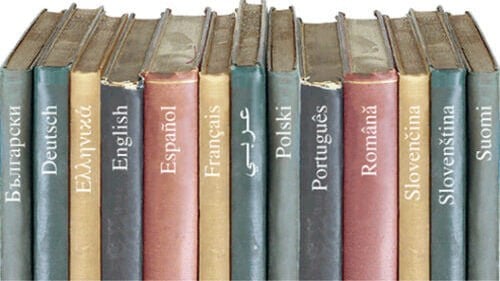
The United Nations Educational, Scientific and Cultural Organization (UNESCO), in collaboration with the International Board on Books for Young People (IBBY), has launched a new international initiative aimed at protecting endangered languages. This initiative supports the publication of works in indigenous languages and strengthens their presence in education and culture, ensuring their transmission to future generations.
The initiative responds to increasing warnings about the rapid decline in global linguistic diversity. A 2025 UNESCO report on multilingual education highlights that one language disappears every two weeks, and estimates suggest that about 40% of the world’s languages could vanish by the end of the current century.
The details of the initiative were unveiled during the 40th World Congress of the International Board on Books for Young People, held in Ottawa, Canada, from August 6 to 9. From over 500 nominations, 169 books were selected representing more than 150 indigenous and endangered languages.
The collection includes picture books, novels, biographies, non-fiction works, and graphic novels, published between 2018 and 2025, in indigenous and endangered languages or in bilingual editions. The aim is to bolster the presence of these languages, particularly in educational and digital realms.
Among the selected works is “The Tortoise and the Ostrich,” a folktale written in the “N|uu” language, one of the oldest languages of the indigenous San people in South Africa. Another selection is “Tamara: The Story of the White Ant in Gurindji Land,” written in the Gurindji language, now spoken by only about 50 people in northern Australia.
The danger of language extinction is highlighted by other examples, such as the “Kusunda” language in western Nepal, which has only one fluent speaker remaining. Efforts to revive it have led to students publishing the first creative writing collection in this language.
The initiative aligns with the Global Action Plan for the International Decade of Indigenous Languages 2022–2032, which seeks to protect endangered languages, promote their teaching, and expand their presence in cultural and knowledge arenas.
The selected collection will be housed in the UNESCO Library in Paris and displayed at the Frankfurt Book Fair in 2026 and the Bologna Children’s Book Fair in 2027. Additionally, three mobile collections will be curated to introduce these works and languages.
Data indicates there are approximately 7,000 spoken and sign languages worldwide, yet only 351 are used as mediums in education, reflecting the widening gap between global linguistic diversity and their presence in educational institutions.
The initiative places a particular focus on children’s literature as an effective tool for transferring language across generations. This aims to ensure the survival of indigenous and endangered languages, transforming them into vibrant tools for knowledge, education, and cultural expression.