
Over 10.7 Million Afghan Women, Girls Require Humanitarian Aid, UN Warns
Over 10.7 Million Afghan Women, Girls Require Humanitarian Aid, UN Warns
————————————-
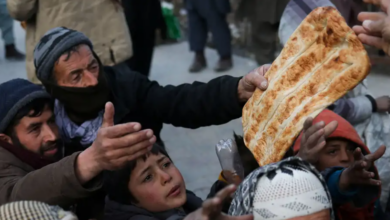
More than 10.7 million women and girls across Afghanistan are in urgent need of humanitarian assistance, the United Nations Office for the Coordination of Humanitarian Affairs (OCHA) said on Tuesday, warning that women remain among those hardest hit by the country’s deepening humanitarian crisis.
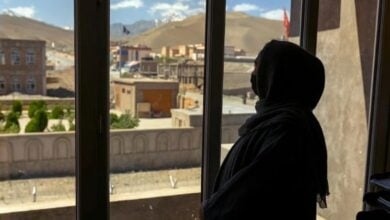
In a statement posted on X on July 14, OCHA said Afghan women and girls continue to face severe challenges as deteriorating healthcare, food insecurity and restrictions on education, employment and freedom of movement compound humanitarian needs.
The agency said Afghanistan’s health system is under mounting strain, with many women facing reduced access to medical care, maternal health services and female healthcare workers. Humanitarian organizations have also reported worsening nutrition, declining access to essential services and increasing hardship for female-headed households.
OCHA warned that restrictions on girls’ education are creating long-term risks for Afghanistan’s healthcare sector by limiting the future supply of female doctors, nurses and midwives, whose presence is critical for delivering healthcare to women and children.
The warning comes as Afghanistan’s humanitarian situation continues to worsen amid declining international aid, widespread poverty and the return of hundreds of thousands of Afghan migrants from neighboring Iran and Pakistan, placing additional pressure on already overstretched public services.
Afghanistan remains one of the world’s largest humanitarian emergencies. According to the United Nations, nearly half the country’s population requires humanitarian assistance, while women and girls continue to face disproportionate barriers to healthcare, education and livelihoods under Taliban policies.
The UN has previously warned that Afghanistan could face a shortage of 25,000 teachers and healthcare workers by 2030, largely because restrictions on girls’ secondary and higher education are reducing the future workforce. Aid agencies say the shortage would have particularly severe consequences for maternal and child healthcare.
Humanitarian organizations continue to urge international donors to sustain funding for Afghanistan while calling for the removal of restrictions that limit women’s access to education, employment and humanitarian services. They warn that without increased support and policy changes, humanitarian needs are likely to worsen further in the coming years.