
WHO Warns Health Systems in Middle East Are Approaching Collapse Amid Escalating Conflict
WHO Warns Health Systems in Middle East Are Approaching Collapse Amid Escalating Conflict
———————————————–
The World Health Organization (WHO) has warned that health systems across parts of the Middle East are facing severe strain and risk nearing collapse amid escalating military tensions in recent days.
More details in the following report:
In a statement issued on March 11, the organization said more than ten days of intensified conflict have led to a sharp rise in casualties in Iran and Lebanon, worsening humanitarian and health conditions across the region.
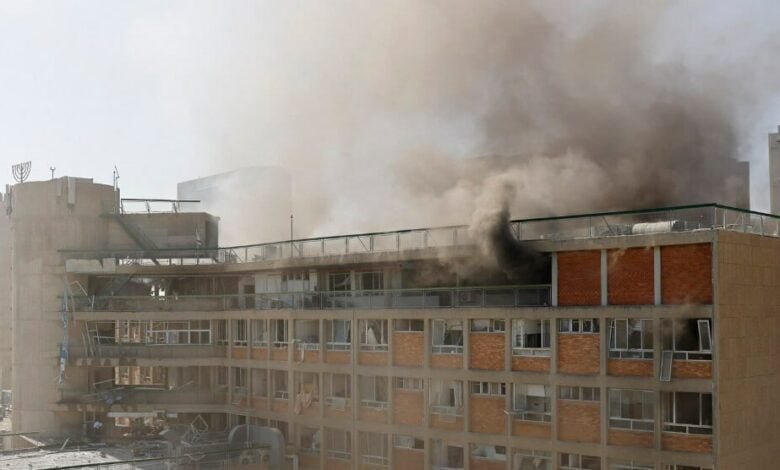
WHO reported that healthcare facilities have been directly affected by the violence. Since February 28, the organization has verified 18 attacks on medical facilities in Iran, resulting in the deaths of eight healthcare workers. In Lebanon, 25 attacks on medical facilities were recorded, leaving 16 people dead and 29 injured.
The agency stressed that such attacks not only cause casualties but also deprive communities of essential medical services during critical moments. It reiterated that international humanitarian law requires the protection of patients, healthcare workers, and medical facilities during armed conflicts.
According to the statement, the impact of the escalation extends beyond immediate casualties. The displacement of hundreds of thousands of people in Iran and Lebanon has forced many into overcrowded shelters with limited access to clean water and sanitation, increasing the risk of infectious diseases, respiratory illnesses, and diarrhea, particularly among women and children.
In Iran, fires at oil facilities and smoke caused by damaged infrastructure have also raised environmental and health concerns, with potential exposure to toxic pollutants that could lead to respiratory problems, skin and eye irritation, and possible contamination of water and food sources.
In Lebanon, 49 primary healthcare centers and five hospitals have reportedly closed following Israeli evacuation orders, reducing access to medical services as healthcare needs grow.
Meanwhile, in the Palestinian territories, WHO said movement restrictions and crossing closures have disrupted ambulance services and mobile clinics in parts of the West Bank. Medical evacuations from Gaza Strip have been suspended since February 28, while shortages of medicines, medical supplies, and fuel continue to worsen the health situation.
The WHO called on all parties to the conflict to protect civilians, healthcare workers, and medical facilities, ensure unimpeded access for humanitarian aid, and work toward de-escalation to allow recovery and stabilization in affected areas.