
Economic Hardship Deepens in Yemen as Families Cut Daily Meals
Economic Hardship Deepens in Yemen as Families Cut Daily Meals
——————————
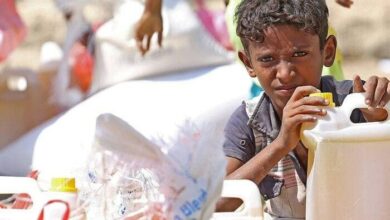
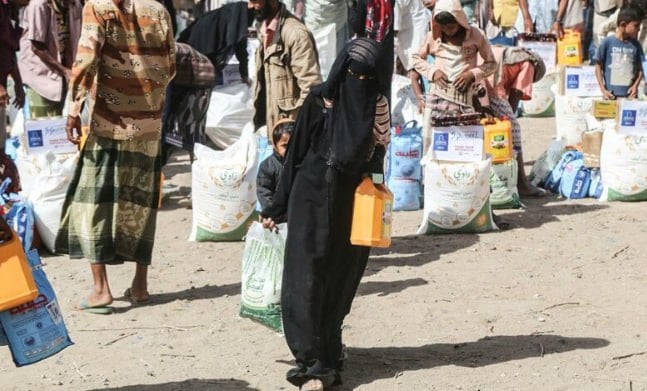
The worsening economic crisis in Yemen is forcing many families to reduce the number of meals they consume each day, as years of conflict, economic decline and rising food import costs continue to strain household budgets.
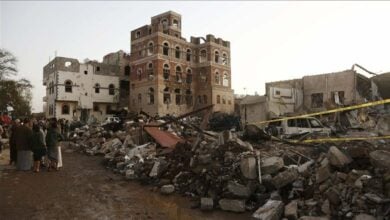
Living conditions across the country have steadily deteriorated amid the prolonged civil war between the government backed by the Saudi-led coalition and the Houthi movement, which has severely damaged the economy and reduced employment opportunities.
Markets in major cities, particularly Sanaa, are showing clear signs of economic slowdown. Despite the arrival of the Muslim holy month of Ramadan, merchants report a sharp decline in consumer spending compared with previous years, reflecting the reduced purchasing power of many households.
According to findings from a field survey reported by regional media outlet Al-Araby Al-Jadeed, around 60 percent of Yemeni families are on the verge of losing their purchasing capacity. The report also indicates that the buying power of approximately 25 percent of households has fallen by nearly half, while only about 15 percent still maintain a relatively stable ability to meet daily needs.
Yemen’s heavy reliance on imported food has further intensified the crisis. Disruptions in global trade, along with rising shipping and insurance costs in recent months, have driven up prices in local markets.
As a result, many families now limit food purchases to small quantities sufficient for only one or two meals a day. International organizations also report that more than 65 percent of Yemeni households have experienced declining incomes in recent years, while around 60 percent have faced economic shocks that significantly undermine their ability to secure basic necessities.
Although some local officials say limited reserves of wheat and flour remain available, economists warn that such supplies may not be sufficient in the long term if economic pressures and disruptions to food imports continue.