
Expansion of Qur’an Education Programs Across Europe Highlights Growing Role of Mosques
Expansion of Qur’an Education Programs Across Europe Highlights Growing Role of Mosques
—————————————-
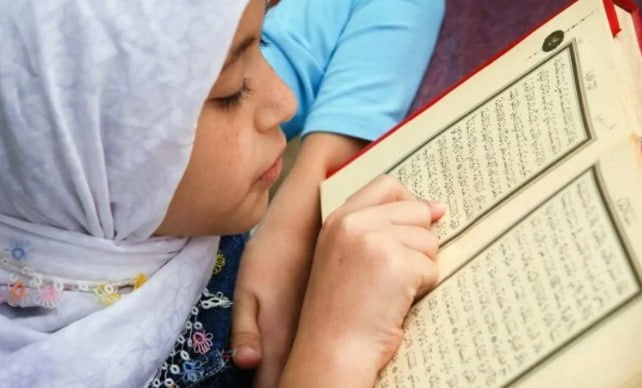
Mosques and Islamic centers across several European countries are playing an increasingly significant role in providing Qur’an education and religious instruction, as more Muslim families enroll their children in programs designed to strengthen religious and cultural identity.
In countries including Sweden, Germany, France, and Netherlands, participation in Qur’an learning courses and religious education programs has grown noticeably in recent years.
In Sweden, the Dar al-Qur’an Academy offers a range of programs focusing on Qur’an recitation, comprehension, reflection, and Islamic etiquette. The courses are designed for children, teenagers, and adults, with many Muslim families enrolling their children to strengthen their connection with the Qur’an and religious teachings.
Meanwhile, Islamic centers and Muslim student organizations in Germany and France regularly host study circles and educational sessions in mosques covering Qur’anic interpretation, Islamic jurisprudence, and ethical teachings. Organizers say these programs help young Muslims maintain their religious and cultural identity while studying and living in largely non-Muslim societies.
Many of the initiatives also include Qur’an competitions, prayer gatherings, and family-oriented activities at mosques, creating community spaces that bring Muslim families together.
Educational experts say the expansion of such programs not only improves religious knowledge among Muslims but also contributes to social cohesion, greater religious awareness, and more active participation of younger generations within their communities.
Families involved in the programs often introduce their children to the Qur’an, moral values, and the life and teachings of the Holy Prophet (peace be upon him and his pure family) from an early age, aiming to prepare future generations to remain informed, responsible, and engaged members of society.