
Taliban Administration starts enforcing new penal code
Taliban Administration starts enforcing new penal code
——————————–
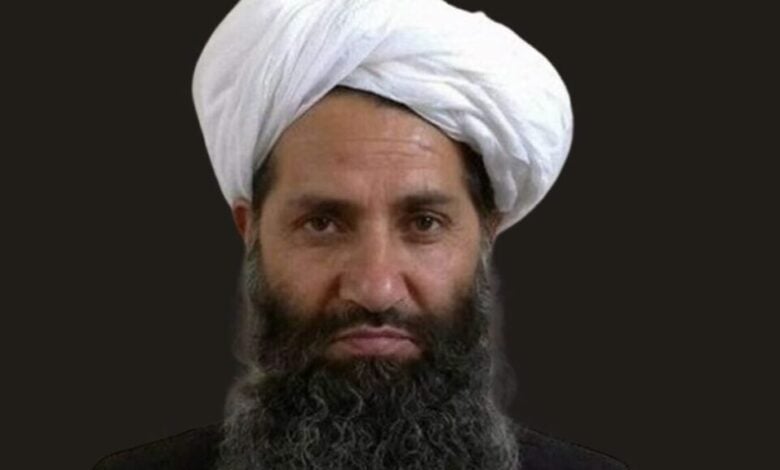
The Taliban have begun enforcing their newly approved penal code, sentencing a man in western Afghanistan to prison and flogging for allegedly insulting the group’s supreme leader.
According to an article by Amu TV, a Taliban primary court in Badghis Province sentenced Abdulkhaliq, son of Abdul Qadoos, to one year in prison and 39 lashes under Article 18 of the new penal code. The ruling is believed to be the first known application of the code since it was formally endorsed by the Taliban leader, despite widespread domestic and international criticism.
Abdulkhaliq, a resident of Jahandosti village in the Bala Murghab district, was detained after making remarks about the Taliban leader during a public gathering. A Taliban member present at the event filed a complaint, leading to his immediate arrest. It remains unclear whether the corporal punishment has been carried out.
The new penal code consists of 10 chapters and 119 articles. Human rights activists, religious scholars, and civil society groups say it expands the criminalization of speech, formalizes corporal punishment, and concentrates extensive authority in the hands of Taliban leaders. Critics warn that the code could be used to suppress dissent and further restrict basic freedoms.
Social activist Nargis Haidari said criminalizing criticism of the Taliban leader poses serious risks to fundamental rights, arguing that such provisions undermine accountability and the rule of law.
Taliban officials have defended the code. Spokesman Zabihullah Mujahid said the legislation is based on Islamic law and urged critics to refer to Sharia principles. However, some religious scholars have questioned whether certain punishments align with Islamic jurisprudence, including the Hanafi school of law followed by the Taliban.
Human rights organizations have warned that the code grants broad discretion to authorities and could result in unequal application of justice, while shielding Taliban members from accountability. The Taliban have not issued a detailed response to those concerns.