
Afghanistan Ranked Among World’s Most Insecure Countries Amid Media Repression, Humanitarian Crisis, and Educational Restrictions
Afghanistan Ranked Among World’s Most Insecure Countries Amid Media Repression, Humanitarian Crisis, and Educational Restrictions
———————————-
Afghanistan has been identified as one of the world’s six most insecure countries, as concerns grow over worsening governance, human security, and mounting social restrictions under Taliban rule.
According to the latest annual report by the Institute for Economics and Peace, Afghanistan ranks 158th out of 163 countries in terms of peace and human security, placing it alongside Yemen, the Democratic Republic of the Congo, Sudan, Russia, and Ukraine. The institute warned that weak governance, political instability, and widespread humanitarian challenges continue to threaten public safety, despite a decline in large-scale armed conflict since the Taliban returned to power.
International media and research bodies say the assessment reflects Afghanistan’s fragile political and security environment, with experts warning of potential consequences for both regional stability and the safety of civilians.
Alongside security concerns, Afghanistan is facing increasing pressure on fundamental freedoms. In 2025 alone, more than 200 violations of media freedom were recorded, according to the Afghanistan Journalists Center. The report documented cases of journalist arrests, threats, injuries, killings, extensive censorship, and the transformation of state media into propaganda outlets. It also noted that bans on broadcasting images of living beings have expanded to 23 provinces, forcing dozens of television stations to shut down and further narrowing the space for free expression.
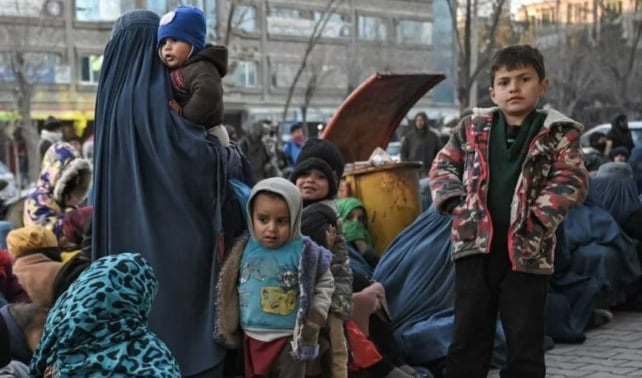
At the same time, humanitarian conditions are deteriorating sharply. The Associated Press, citing United Nations assessments, reported that nearly 23 million people in Afghanistan now require humanitarian assistance. Severe reductions in international aid, including funding cuts to the World Food Programme, have intensified food insecurity. The UN has warned that routine food distribution cycles have nearly halted for the first time this year, placing unprecedented strain on vulnerable populations.
Educational restrictions have also increased. The Taliban’s Ministry of Higher Education has banned independent examinations and the issuance of academic certificates outside government control, a move analysts view as part of broader efforts to centralize education and limit institutional and intellectual autonomy.
Political figures opposed to the Taliban and international observers have described the current period as one of Afghanistan’s darkest, warning that the accumulation of security, humanitarian, media, and educational crises poses serious risks to basic freedoms, livelihoods, and the country’s long-term development.
Experts stress that without meaningful improvements in governance, protection of civil liberties, and renewed international engagement, Afghanistan is likely to remain among the world’s most high-risk countries.