
Italy’s 1.7 Million Muslims Face Growing Challenges Over Mosques, Cemeteries and Religious Rights
Italy’s 1.7 Million Muslims Face Growing Challenges Over Mosques, Cemeteries and Religious Rights
——————————————–
Italy’s Muslim population, estimated at more than 1.7 million people, has played an active role in the country’s social and economic life for decades. However, the community continues to face structural obstacles, religious restrictions, and what many describe as systematic discrimination affecting their religious and social freedoms.
According to a report by Anadolu Agency’s international desk, security-focused policies toward Islamic institutions have intensified in recent years, particularly following the aftermath of the September 11 attacks and successive migration crises across Europe. The influence of right-wing political movements and stricter government policies has contributed to increased monitoring and regulatory pressure on Muslim organizations.
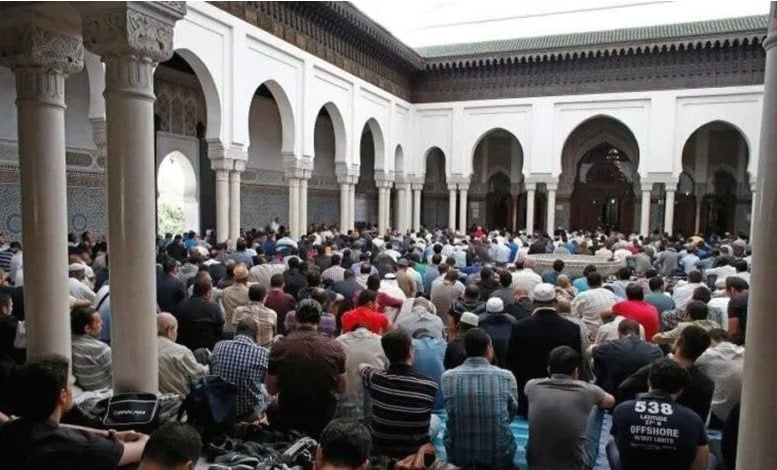
Restrictions on establishing official mosques remain one of the most visible challenges facing Muslims in Italy. Due to legal and administrative obstacles, many communities have been forced to rely on temporary prayer spaces, including converted buildings and informal locations, to perform religious activities.
The lack of dedicated Muslim cemeteries has also created serious difficulties for families seeking to bury their deceased according to Islamic traditions. In addition, limited access to religious education facilities and community services has added further pressure on the preservation of Islamic identity among younger generations.
At the same time, the rise of anti-Muslim discourse promoted by some political groups and media outlets has contributed to social tensions and increased feelings of marginalization among parts of the Muslim population.
Despite these challenges, Italy’s Muslim community continues to emphasize respect for the law, peaceful coexistence, preservation of religious identity, and active participation in the country’s social and economic development.