
Anti-Muslim Rhetoric Intensifies in Texas Amid Political Debate Over Sharia, Muslim Community
Anti-Muslim Rhetoric Intensifies in Texas Amid Political Debate Over Sharia, Muslim Community
———————————
The political debate in the U.S. state of Texas over Muslims and Islamic Sharia law has intensified, amid criticism from members of the Muslim community who say the Republican Party has shifted from seeking their votes in previous elections to adopting rhetoric and policies they view as targeting their religious and community presence.
The shift has been particularly visible in Fort Bend County in the Houston area, home to one of the state’s largest Muslim communities. Muslim activists say that relationships that once involved Republican politicians seeking support from the community have changed as campaigns calling for restrictions on Sharia law and increased scrutiny of some Islamic institutions and projects have gained momentum.
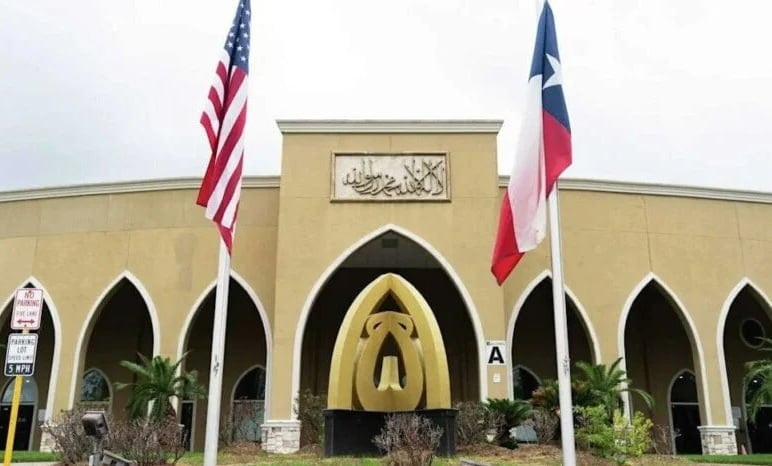
In recent months, the controversy has expanded to include mosques, halal restaurants, community-based social projects, and objections to certain facilities designated for prayer.
Against this backdrop, Texas Governor Greg Abbott has called for a ban on the application of Islamic Sharia law in the state, while several Republican lawmakers have joined similar political initiatives and expressed comparable positions. The issue has consequently become part of the growing political debate surrounding Muslims in Texas.
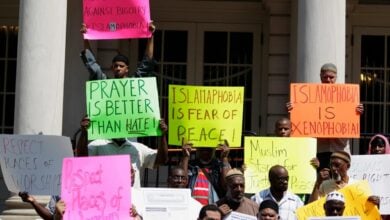
Members of the Muslim community argue that the political focus on Sharia contributes to a negative portrayal of Muslims as a group separate from American society or seeking to establish a parallel legal system. They say the atmosphere has increased their sense of being targeted and excluded.
Muslims in the state also say that the rise in anti-Islam political rhetoric has coincided with an increase in threats and incidents targeting Muslims, raising concerns that political rhetoric could spill over from election campaigns into social practices that affect the safety and daily lives of members of the community.
Meanwhile, analysts say that turning Sharia into an electoral issue can be used to mobilize voters and fuel concerns over identity and religion, despite the absence of evidence that Sharia is being introduced as a replacement for the laws currently in force in Texas.
Muslims make up approximately 2% of Texas’s population and have become increasingly visible in the state’s economic, social, and political life in recent years, particularly in major urban areas.