

Cyberbullying Among European Children Rises — Girls and Single-Parent Households Most Vulnerable
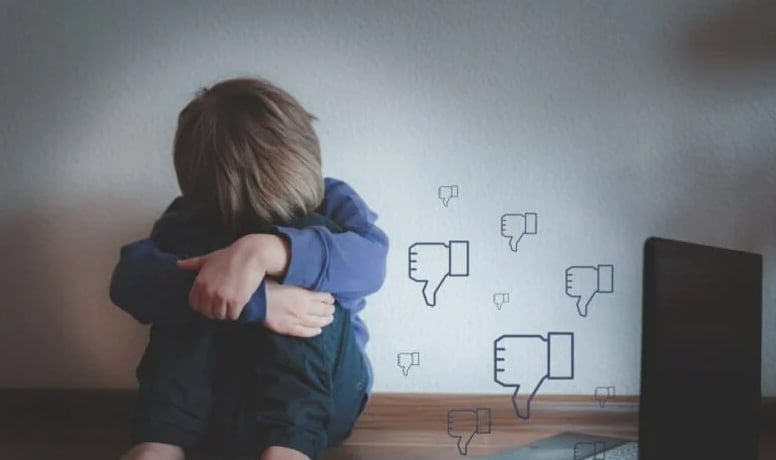
Cyberbullying Among European Children Rises — Girls and Single-Parent Households Most Vulnerable
————————————
Cyberbullying rates among European children and adolescents have increased significantly in recent years, with girls and youths from single-parent households disproportionately affected.
A 2024 report by WHO/Europe — based on responses from over 279,000 schoolchildren aged 11, 13, and 15 — found that about 15 percent of adolescents reported being victims of cyberbullying, up from 12 percent in 2018.
According to recent data compiled by OECD and reported by Euronews Next, among girls, the rate was 16 percent compared with 15 percent for boys, showing a consistent gender gap in reported victimization.
Data collected by OECD across 29 European countries in 2022 shows a regional average cyberbullying rate of 15.5 percent — rising from 12.1 percent in 2018. In Lithuania, the rate reached as high as 27.1 percent, among the highest in Europe.
The recent Euronews Next investigation lists girls and children in single-parent households as the groups most at risk. In one-parent families, 19.8 percent of adolescents reported online bullying, compared with 14.1 percent in two-parent households.
Experts attribute this vulnerability to factors such as reduced adult supervision, financial pressures, and limited support networks.
Girls were more likely than boys to report cyberbullying, a difference linked to higher engagement in social media and emotionally inclined online interactions.
The shift toward remote schooling and increased screen time during the COVID-19 pandemic accelerated online engagement among youth — widening exposure to cyber harassment, according to the WHO/Europe study.
Analysts note that the variance between countries reflects differences in cultural norms, digital literacy, and institutional efforts to prevent cyberbullying. Regions with robust online-safety education report lower victimization rates.
Advocates urge governments, schools and social media platforms to ramp up digital-safety education, online supervision, and mental-health support. The European Commission plans to launch a new EU-wide action plan against cyberbullying in 2026 to address rising rates among minors.
Experts warn that without comprehensive strategies, increasing digitalization could deepen psychological harm, especially for vulnerable youth — potentially leading to long-term mental health problems and social exclusion.