
Burkina Faso Leader Faces Growing Rift with Muslim Scholars Over Religious Policies
Burkina Faso Leader Faces Growing Rift with Muslim Scholars Over Religious Policies
—————————————-
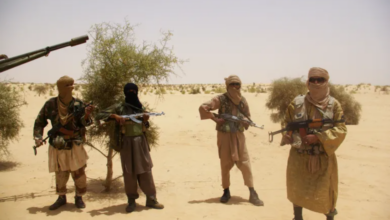
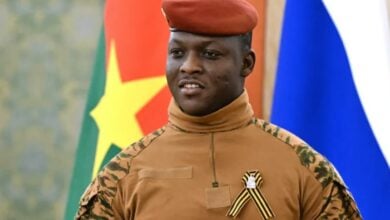
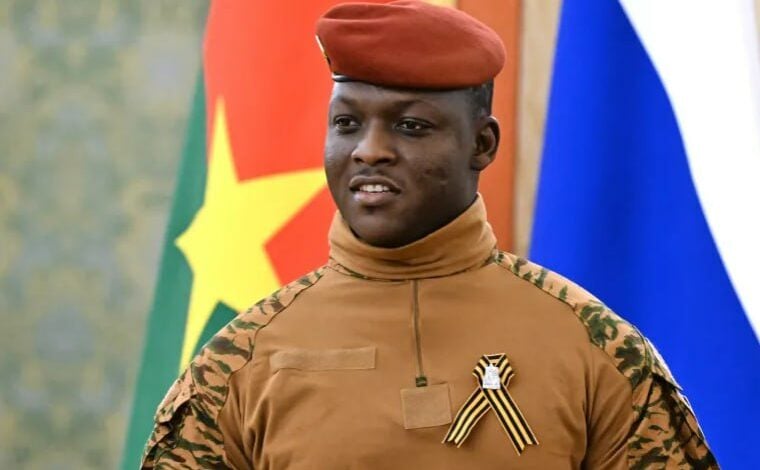
Burkina Faso’s transitional leader Captain Ibrahim Traore has intensified his campaign against what he describes as “radical Islam,” warning that authorities will confront individuals accused of promoting extremist ideas. His statements have widened a dispute with influential Muslim scholars over new legislation, arrests and government oversight of religious activities.
The tensions center on the Religious Freedoms Law, approved by Burkina Faso’s transitional parliament on June 20. The government says the law is designed to strengthen the country’s secular character and regulate religious organizations. It introduces penalties for practices authorities classify as abuses, including forced child begging and violations of financial transparency requirements by religious groups.
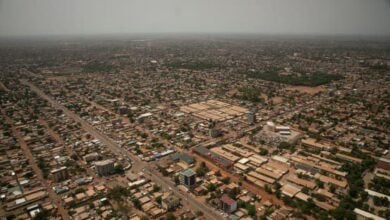
Several Muslim scholars have criticized aspects of the legislation. In late May, prominent Sunni imam Mohamed Ishaq Kindo was arrested after speaking against the draft law. Following protests demanding his release, authorities closed a major Sunni mosque in Ouagadougou, citing public order concerns. Imam Mahmoud Barro was also detained earlier in April in Bobo-Dioulasso.
The dispute marks a significant shift in relations between Traore’s government and some Muslim leaders who previously provided political support after he seized power. Analysts say the confrontation could weaken an important source of legitimacy for the military government.
Traore has also announced plans to recall Burkinabe students studying Islamic law in Arab countries, claiming many overseas religious students lack practical professional training. A government directive now requires approval from the Ministry of Higher Education before students can pursue studies abroad.
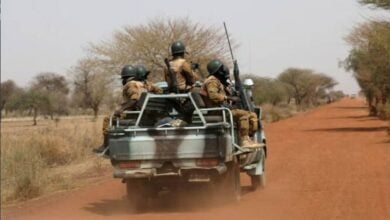
The government argues that tighter oversight is necessary amid ongoing security challenges linked to armed groups in the country. However, critics say the measures risk restricting religious freedoms and increasing tensions with one of Burkina Faso’s most influential social communities.