
Alawite Leader Sheikh Ghazal Ghazal Emerges as Key Voice Amid Rising Unrest in Post-Assad Syria
Alawite Leader Sheikh Ghazal Ghazal Emerges as Key Voice Amid Rising Unrest in Post-Assad Syria
————————
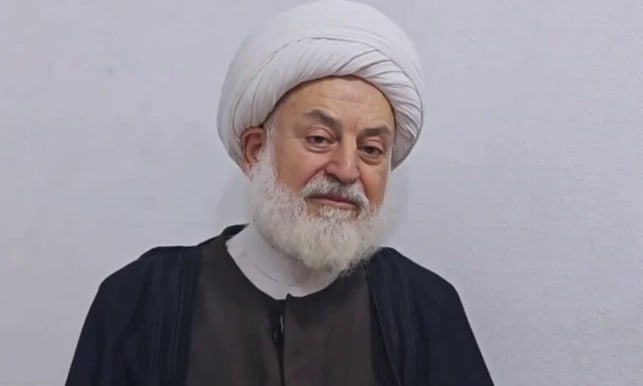
Sheikh Ghazal Ghazal, head of the Supreme Alawite Islamic Council in Syria and the diaspora, has become a prominent political and religious figure as sectarian tensions and protests surge across the country following the collapse of the Assad regime in late 2024.
Sheikh Ghazal, long known as a local religious authority, has increasingly mobilized members of Syria’s Alawite minority — once politically dominant under the Assad family — to demand greater protections, decentralized governance, and federalism in the country’s fraught political transition. He has repeatedly condemned systematic violence against Alawites and called for peaceful protest and international intervention to safeguard their rights, arguing that ongoing violations “can no longer be tolerated.”
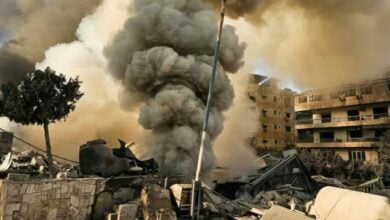
The Alawite community has faced renewed unrest and deadly attacks in recent weeks. A bombing at the Imam Ali ibn Abi Talib Mosque in the Alawite-majority Wadi al-Dhahab neighborhood of Homs killed at least eight worshippers and wounded 18 others on Dec. 26, according to security sources and independent monitors. The Islamist militant group Saraya Ansar al-Sunnah claimed responsibility for the attack.
On Dec. 28, thousands of Alawites staged demonstrations in Latakia and along the coastal region, answering calls from Ghazal for decentralized political reforms and the release of detainees. Clashes between protesters and security forces — and in some reports unidentified gunmen — left at least three people dead and dozens injured, underscoring volatile conditions and societal fractures since Assad’s fall.
Ghazal’s supporters have also organized broad strikes in Alawite areas, closing shops and markets in solidarity with his calls for dignity and rights.
While his message has resonated with parts of the community, it also reflects deep uncertainty in Syria’s evolving political landscape. Ghazal continues to press for a federal, decentralized system as the country grapples with sectarian tensions, contested authority, and mounting calls for inclusive governance.