
WHO Warns of Health, Environmental Risks as Middle East Conflict Escalates Near Nuclear Sites
WHO Warns of Health, Environmental Risks as Middle East Conflict Escalates Near Nuclear Sites
————————————-
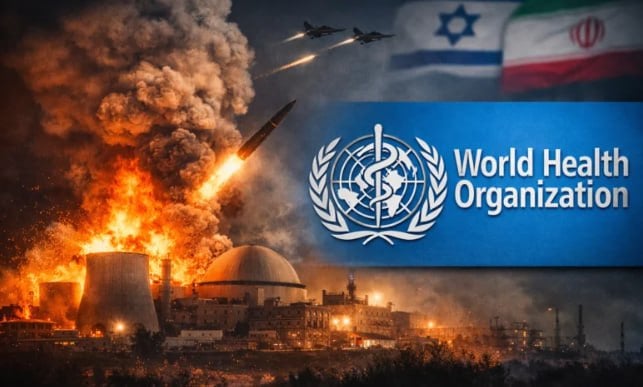
The World Health Organization (WHO) has expressed concern about the growing risks to public health and environmental safety as the conflict in the Middle East enters a more dangerous phase, particularly around facilities linked to nuclear infrastructure.
According to The Guardian, WHO Director‑General Dr. Tedros Adhanom Ghebreyesus said that the current conflict has reached a perilous stage, warning that strikes near sensitive sites could have far‑reaching consequences for civilian health and environmental protection. While not issuing a detailed environmental forecast, Dr. Tedros urged all parties to exercise maximum restraint, noting that attacks on or around facilities with complex technological systems can endanger populations far beyond immediate battle zones.
“We continue to stress the importance of protecting public health and avoiding actions that could lead to a broader humanitarian impact,” the WHO chief stated, emphasizing the need for diplomatic efforts to prevent further escalation.
Recent media coverage has highlighted reports of military actions and strikes near nuclear‑related sites in the region, including the Natanz uranium enrichment facility in Iran and areas around Dimona in Israel, underscoring international concern about accidental radiological or environmental harm. Independent observers and regional analysts have underscored the potential for serious secondary effects on water, ecosystems, and civilian infrastructure if clashes intensify near such installations.
Experts caution that even indirect damage — such as disrupted power or water systems, contamination of groundwater, or destruction of waste storage — can have long‑term health implications for millions of people. The WHO’s call for restraint aligns with broader appeals from other United Nations agencies urging de‑escalation and protection of critical infrastructure.
International civil society groups and environmental monitors have also warned that continued conflict increases the risk of environmental degradation and could compound existing public health challenges across the region. Calls from these groups emphasize bolstering diplomatic pressure and preventive measures to help avert a larger humanitarian and environmental crisis.