
Yemen’s Displaced Face Hunger and Cold Amid Worsening Humanitarian Crisis
Yemen’s Displaced Face Hunger and Cold Amid Worsening Humanitarian Crisis
—————————————-
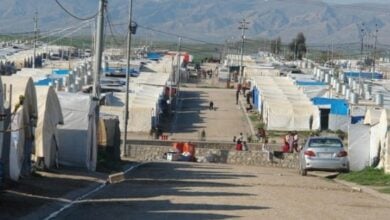
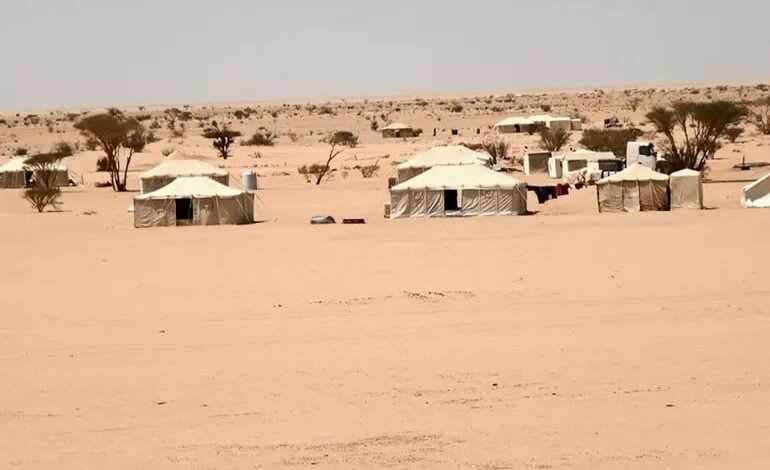
Millions of internally displaced people in Yemen are enduring dire humanitarian conditions, living in deteriorating tents that offer little protection from extreme heat or winter cold.
As the conflict in Yemen enters its second decade and humanitarian assistance sharply declines, about 80 percent of Yemen’s population relies on aid, and the United Nations continues to describe the situation as the world’s worst humanitarian crisis.
The outlook has grown bleaker with the start of 2026, with protracted conflict intersecting with hunger, inadequate shelter, and the collapse of health and education services. Displaced families, forced to abandon their homes, land, and livelihoods, face mounting needs that international response efforts are struggling to meet.
Displaced residents report severe shortages of food, clean water, blankets, and basic household items. Access to healthcare in displacement camps remains limited, with pregnant women often traveling hours to reach medical facilities, increasing the risk of life-threatening complications. Water scarcity has also forced families to walk long distances to collect drinking water.
Winter conditions have further exacerbated suffering, as torn tents and a lack of heating expose families—particularly children, pregnant women, and the sick—to illness. Many displaced people describe repeated displacement due to shelling, leaving them without basic necessities or adequate shelter.
According to the UN Office for the Coordination of Humanitarian Affairs (OCHA), Yemen’s 2025 Humanitarian Response Plan received only 27.8 percent of the $2.48 billion required, severely limiting aid delivery. The UN estimates that around 4.8 million people are displaced across Yemen. UN officials have warned the Security Council that humanitarian needs are rising in early 2026 while funding shortfalls continue to restrict access to life-saving assistance.
The International Organization for Migration reported that more than 13,000 people were newly displaced in the final quarter of 2025, mainly due to ongoing armed conflict and worsening economic conditions.