
The United Nations Warns of the Closure of More Than Half of Women’s Support Institutions in Afghanistan
The United Nations Warns of the Closure of More Than Half of Women’s Support Institutions in Afghanistan
UN Women has warned that more than half of the organizations focused on supporting women in Afghanistan are at risk of ceasing their activities or closing down in the coming year due to sharp declines in international aid and funding. This occurs at a time when women and girls increasingly need essential services.
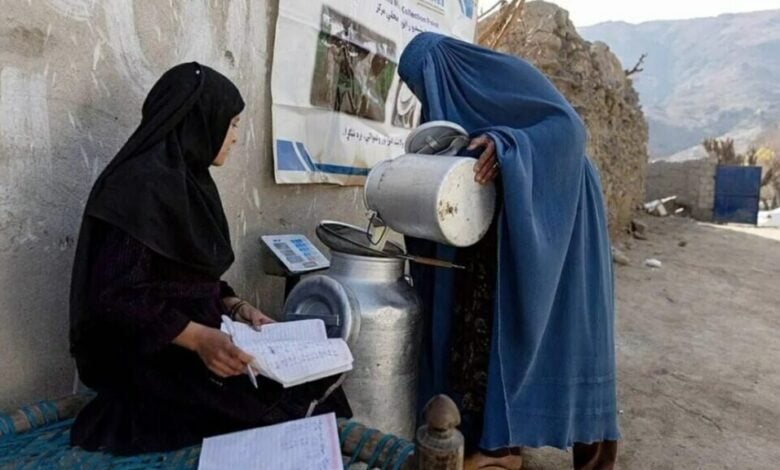
Susan Ferguson, the UN Women’s representative in Afghanistan, stated that the decrease in funding threatens the continuity of numerous organizations providing legal, educational, health, and economic services to women. She explained that surveys involving 74 organizations revealed that more than half of them might be forced to halt operations if the financial shortfall persists.
This warning comes as five years pass since the Taliban regained control in Afghanistan, amid ongoing widespread restrictions on women’s and girls’ education, work, and participation in public life. Girls are still deprived of continuing their education beyond sixth grade, while women are barred from attending universities. Additionally, restrictions are imposed on their employment fields, mobility, and presence in society.
Ferguson warned that reduced financial support for women’s organizations could exacerbate the conditions of women and girls, particularly those who depend on these institutions for health, education, legal services, and economic support opportunities.
The UN Women’s representative called on the international community to prioritize women’s and girls’ rights in any dialogue or engagement with the authorities in Afghanistan, emphasizing the importance of continuing funding for entities working to provide services and support to women in the country.
These warnings arise amidst growing concerns that the decline in humanitarian and international funding for Afghanistan could lead to the reduction of available services for the most vulnerable groups, especially women and girls.