
Mounting Social, Economic and Rights Pressures Deepen Crisis in Afghanistan
Mounting Social, Economic and Rights Pressures Deepen Crisis in Afghanistan
——————————————
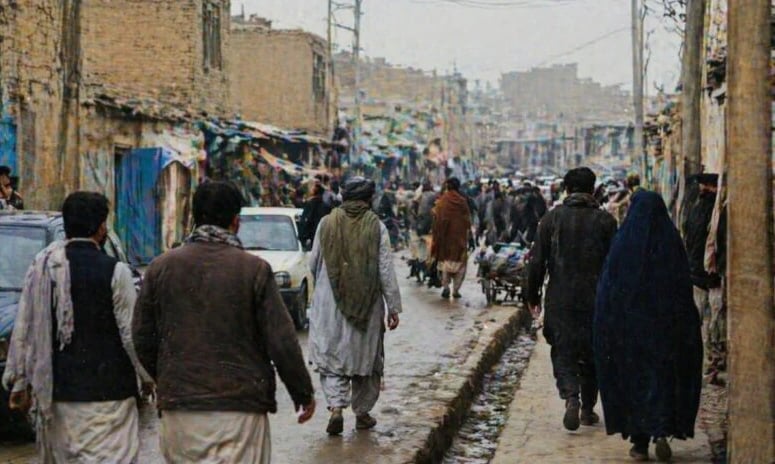
Afghanistan is facing a growing multi-layered crisis as economic hardship, social tensions, security concerns and new legal restrictions increasingly affect daily life, according to field reports and UN assessments.
Residents in cities such as Mazar-i-Sharif report rising social mistrust, with some claiming that encouragement of informant practices has led to disputes and heightened community tensions. At the same time, concerns over urban security are increasing, with locals pointing to a rise in petty theft and declining feelings of safety.
Access to basic services remains a major challenge. The United Nations Office for the Coordination of Humanitarian Affairs has warned that many Afghans still lack adequate healthcare, with some patients forced to travel long distances to reach medical facilities.
Economic pressures are also intensifying. Students in Kabul report rising costs for private dormitories and declining service quality, adding financial strain on families and disrupting education. Everyday issues, such as the circulation of worn-out currency, have further fueled disputes in local markets.
Meanwhile, a newly introduced “Preachers Law” by the Taliban has drawn criticism domestically and internationally. Analysts say the law could restrict religious and media activities and limit diversity of interpretation, raising concerns about freedom of belief. The United Nations Special Rapporteur on Human Rights in Afghanistan has warned that such measures may conflict with international human rights standards.