
WHO Warns Polio Transmission Continues in Afghanistan
WHO Warns Polio Transmission Continues in Afghanistan
——————————
The World Health Organization has warned that the transmission of Poliomyelitis caused by wild poliovirus type 1 (WPV1) continues in Afghanistan, with the highest number of cases reported in the country’s southern regions.
According to a report released following the 44th meeting of the WHO Emergency Committee on polio, five new cases were recorded in 2025, prompting the organization to describe the situation as a serious concern.
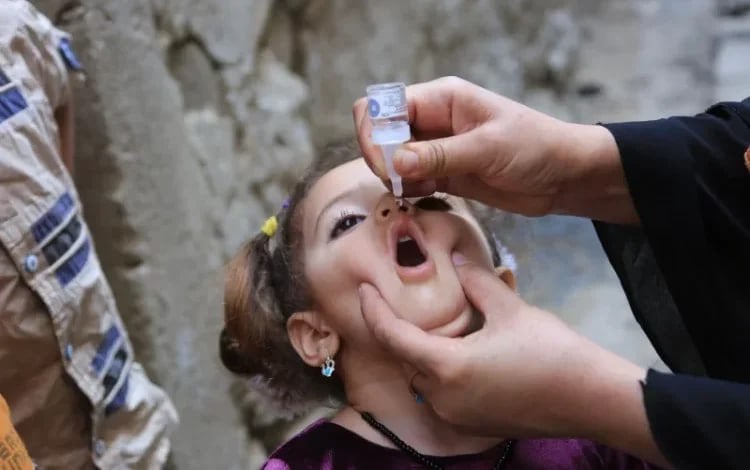
The report, published on Wednesday, said virus transmission remains particularly intense in southern and eastern Afghanistan. The WHO attributed the increase in cases in the south to low vaccination coverage and restrictions affecting door-to-door immunization campaigns. These limitations have expanded during the rule of the Taliban, hindering health teams’ ability to reach children in certain areas.
The emergency committee also warned about a shortage of female health workers. It said the absence of women in vaccination teams poses a major challenge to reaching young children, especially in conservative communities where female health workers play a crucial role in household vaccination efforts.
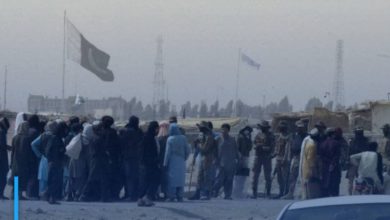
The WHO noted that Afghanistan and Pakistan form a single epidemiological zone for poliovirus. Continued transmission along the border between the two countries increases the risk of the virus spreading internationally, with cross-border transmission documented last year.
The organization warned that Afghanistan remains vulnerable to international spread of the virus until polio is eradicated globally. It emphasized that close coordination with Pakistan and effective vaccination campaigns in border areas are essential to controlling the disease.
At the same time, the WHO highlighted growing concerns about circulating vaccine-derived polioviruses (cVDPV) in several parts of the world, stressing that expanded immunization, continuous surveillance, and overcoming obstacles to vaccination campaigns remain the only effective way to stop the spread of polio.