
Eurasia Review: Taliban Weaponizing Madrasas to Indoctrinate Children, Establish Rule
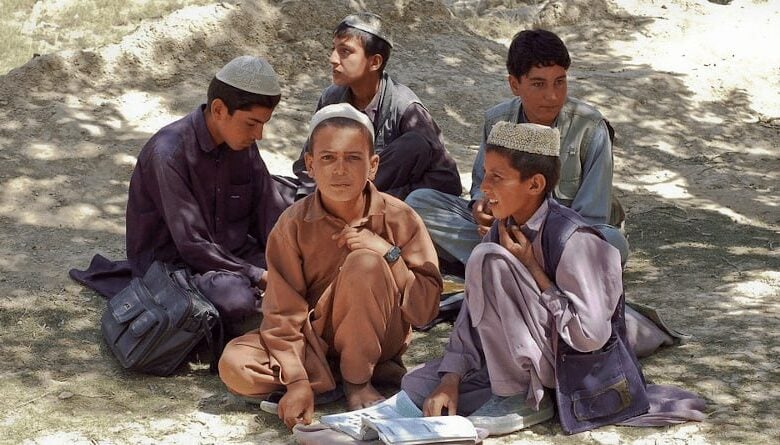
Eurasia Review: Taliban Weaponizing Madrasas to Indoctrinate Children, Establish Rule
———————–
An opinion piece published by Eurasia Review warns that the Taliban are reshaping Afghanistan’s education system into a tool of ideological control, using the rapid expansion of madrasas to consolidate power and promote extremism.
In the OpEd, author Dr. Iram Sarwar argues that since returning to power in August 2021, the Taliban have prioritized education as a central political instrument. While madrasas have historically been respected centers of Islamic learning, the article states that the current Taliban-led expansion represents a departure from that tradition, replacing intellectual diversity with rigid ideological indoctrination.
The analysis notes that classical madrasas across the Muslim world fostered debate and produced scholars in philosophy, science, and literature, often operating independently of state authority. By contrast, the modern Taliban model is described as highly politicized, shaped by militant madrasa networks that developed along the Afghanistan–Pakistan border during the 1980s.
According to the article, leaked Taliban documents from late 2022 revealed plans to overhaul Afghanistan’s school curriculum to align entirely with Taliban ideology. The continued closure of girls’ schools is linked to this process, with education access increasingly conditioned on compliance with regime-approved systems.
The OpEd further reports that Afghanistan now has more than 23,000 madrasas, many tied directly to the authorities, and that access to aid and employment is often linked to enrollment in these institutions. The author warns that this approach risks producing a generation trained for obedience rather than critical thinking.
The article concludes that the Taliban’s education policies pose regional and global security concerns, citing UN reports of the group’s continued ties to multiple extremist organizations and warning of long-term consequences for regional stability.