
Muslim World League Chief Condemns Violence Against Women, Calls for Religious Leaders to Reject Abuse
Muslim World League Chief Condemns Violence Against Women, Calls for Religious Leaders to Reject Abuse
—————————————–
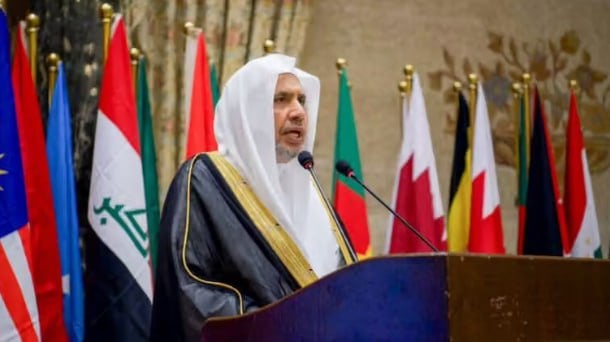
The Secretary-General of the Muslim World League, Mohammed bin Abdulkarim Al-Issa, has said that violence against women has no religious justification, calling on Islamic scholars and religious leaders to confront harmful interpretations and promote the protection of women’s dignity.
Speaking at an international conference in Jeddah titled “The Role of Religious Leaders in Combating Violence Against Women”, Al-Issa said there was “no legitimacy or immunity” for any form of violence that violates women’s physical or moral rights. He added that attributing such practices to Islam or Sharia represents a false claim against religion.
Al-Issa called for greater cooperation among Islamic scholars to produce a comprehensive scholarly work on women’s rights and issues, with translations in multiple languages, and urged religious leaders to respond to criticism of Islam’s treatment of women with evidence and clarity.
The remarks come amid continued debate over women’s rights and social conditions across Muslim-majority countries. While some nations have introduced reforms to expand women’s participation in education and employment, rights groups continue to highlight restrictions and violence affecting women in several regions.
Meanwhile, women’s workforce participation remains low in parts of the Middle East, North Africa and South Asia, affected by factors including social norms, childcare responsibilities, limited opportunities and economic barriers.
Saudi Arabia has seen a rise in female workforce participation in recent years as part of economic reforms, while Afghanistan has moved in the opposite direction, with international organizations warning of long-term impacts on education, healthcare and economic development.
Rights advocates continue to call for policies that protect women from violence, expand access to education and employment, and ensure women’s participation in social and public life.