
Muslims Largely Absent from India’s Anti-Corruption Institutions, New Study Finds

Muslims Largely Absent from India’s Anti-Corruption Institutions, New Study Finds
—————————–
A recent study by Mohammed Abdul Mannan highlights the near-total absence of Muslim representation in India’s key anti-corruption bodies, including the Lokpal and Lok Ayuktas, Clarion India reported.
Since the Lokpal’s first appointment in March 2019, the institution has had eight members in its first tenure and six in its current term, with no Muslims among them. The Lokpal Secretariat in New Delhi, comprising 11 officials including the Secretary, similarly has no Muslim representation.
The book, At the Bottom of the Ladder: State of the Indian Muslims, quantifies Muslim presence across 150 key organizations and reports that Muslims occupy only a handful of positions in state-level anti-corruption bodies. Of the 122 Lok Ayuktas across India, only five are Muslims, while among 50 Upa Lok Ayuktas, just two are Muslim. Notably, Jammu and Kashmir and Puducherry currently have no Lok Ayuktas, and outside Kerala, no other state has Muslims serving as Upa Lok Ayuktas. States with Muslim Lok Ayuktas include Bihar, Karnataka, Uttar Pradesh, Uttarakhand, and Delhi.
The study also critiques the functioning of the Lokpal, noting that critical posts remain vacant, a third of its budget goes unused, and complaint-handling is limited. For instance, in 2019-20, the Lokpal received 1,427 complaints, of which 85% were outside its jurisdiction. In 2020-21, only 110 complaints were received, with most closed after preliminary examination.
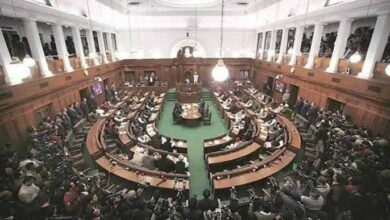
The Lokpal, established under the 2013 Lokpal and Lok Ayuktas Act, was envisioned as an independent ombudsman to investigate corruption among public officials, including Prime Ministers, Union Ministers, and MPs. However, delays in appointments and operational shortcomings have drawn criticism from civil society and former officials.
At the state level, Lok Ayuktas and Upa Lok Ayuktas are tasked with investigating corruption involving Chief Ministers, ministers, MLAs, and government officers. Appointments are made after consultation with state legislatures and judiciary, yet Muslim representation remains minimal, highlighting broader concerns about inclusivity in India’s anti-corruption framework.