
Analytical Report Highlights Challenges Facing Muslims in India
Analytical Report Highlights Challenges Facing Muslims in India
—————————-
A recent analytical article by Samir Zaqouq examines the situation of Muslims in India, highlighting a sharp rise in sectarian violence and exclusionary policies amid the growth of Hindu nationalism, which has increasingly shaped the state’s political and security approach toward Muslim citizens.
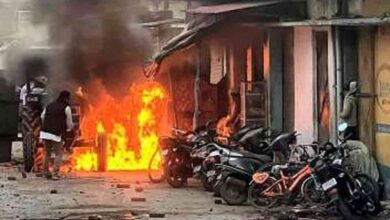
The article notes that extremist Hindu groups in recent years have reportedly burned Muslim homes, mosques, cemeteries, and businesses, destroying entire neighborhoods. Those attempting to resist reportedly faced violent attacks, including acid attacks and shootings, often accompanied by nationalist slogans such as “Jai Shri Ram,” described in the article as a rallying cry for a campaign to establish a “pure Hindu India.”
Zaqouq cites documented accounts, including those by journalist Nilanjan Mukhopadhyay in his book on Prime Minister Narendra Modi, describing the targeting of Muslims on social and religious grounds with the aim of intimidation, forced withdrawal, migration, or altering lifestyles.
The article revisits the 2002 Gujarat riots, including massacres in areas such as Naroda Patia and Sandarampur, which led to the displacement of tens of thousands of Muslims and widespread destruction of homes and mosques. The piece cites allegations of police complicity or inaction, leaving civilians exposed to armed mobs.
International human rights perspectives are included, with Human Rights Watch researcher Smita Narula stating that the Gujarat violence was a planned and organized attack involving government officials, rather than spontaneous unrest.
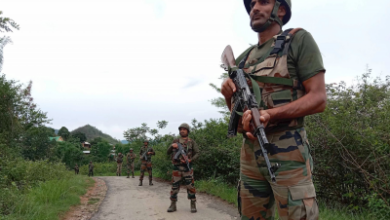
The article further details social consequences, including Muslims changing their names, avoiding cultural or religious practices, and facing increasing difficulties in accessing employment or safe housing. Zaqouq also points to government measures under Modi, such as the revocation of Kashmir’s autonomy and the Citizenship Act, which impose complex requirements on proving citizenship and disproportionately affect marginalized populations.
Zaqouq concludes that the situation in India reflects a broader ideological project to reshape the state’s identity along religious-nationalist lines, leaving Muslims vulnerable to ongoing marginalization and violence, amid limited international attention.